Trendy Men’s Fade Haircuts | Textured Styles & Comb-Overs
Men’s haircuts continue to evolve with a focus on clean fades and textured tops that add dimension and style. This collection highlights six popular fade variations, including the skin fade with a design line and the messy textured crop, offering options for both bold and subtle looks. These styles blend modern barbering techniques with versatile aesthetics suitable for various occasions.
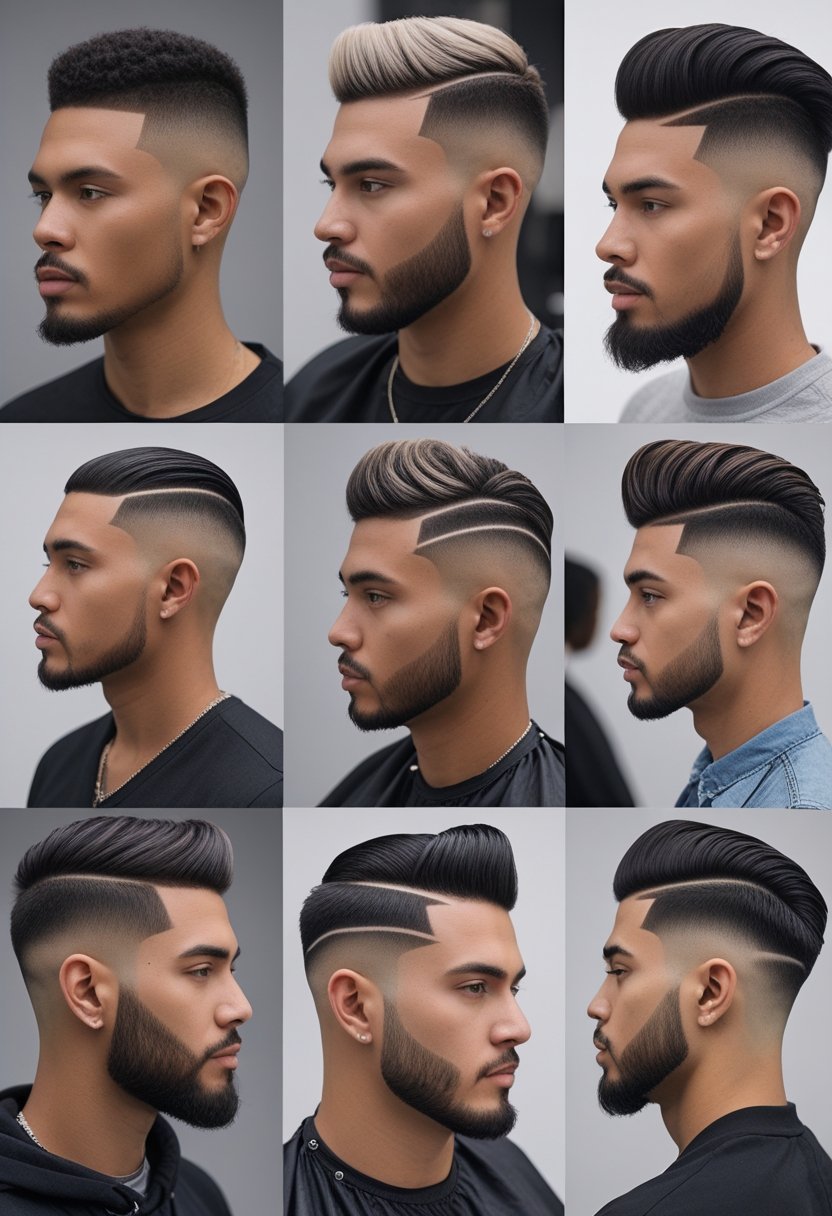
These trendy fade haircuts combine sharp tapering with textured and voluminous tops, making them ideal for men who want a fresh, stylish appearance. From sleek comb-overs to voluminous quiffs, each cut balances contemporary trends with practicality, fitting seamlessly into casual streetwear or polished formal wear.
Designed to suit different hair types and personal styles, these fade variations emphasize precision and texture, reflecting the current demand for haircuts that are both fashionable and easy to maintain.
Overview of Trendy Men’s Haircuts
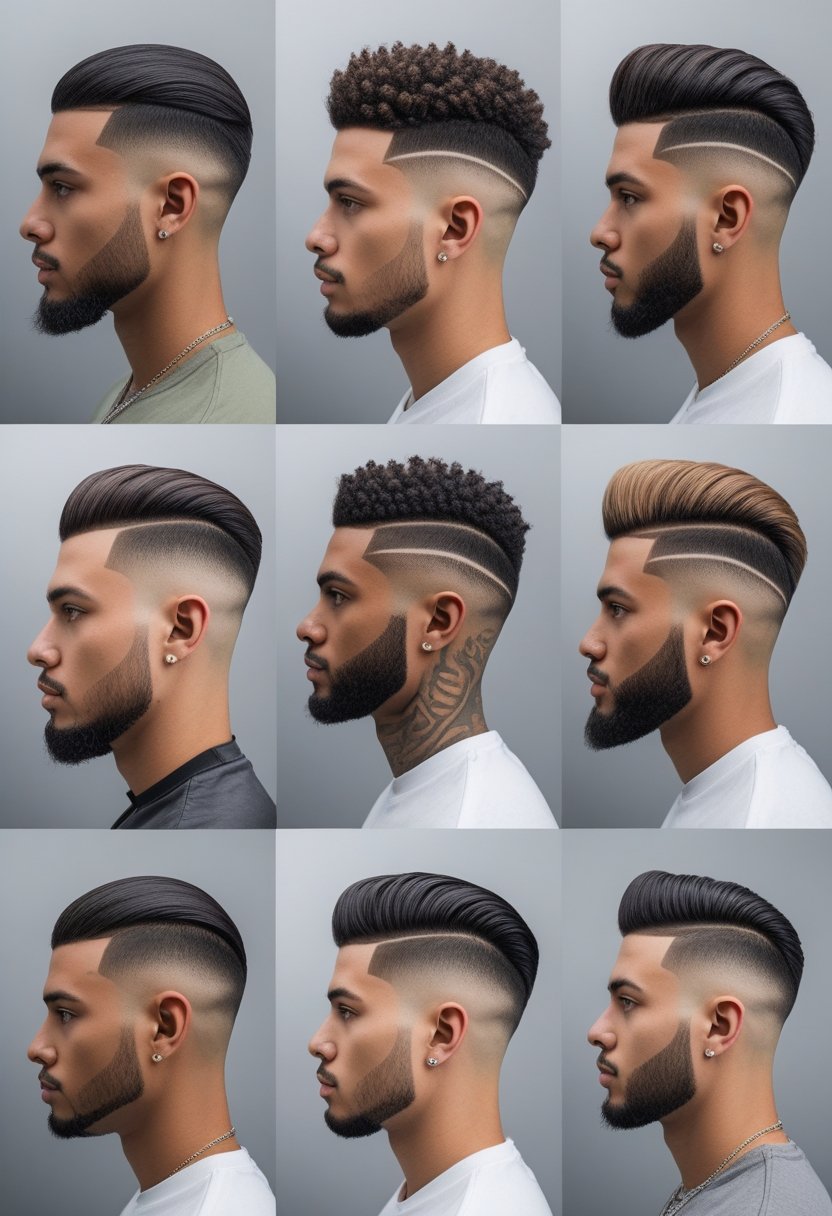
Trendy men’s haircuts combine classic techniques with modern elements for versatile, stylish looks. They highlight textures, fade transitions, and creative shaping, catering to a variety of lifestyles and preferences. These hairstyles balance practicality with aesthetics, fitting both casual and formal settings.
Defining Modern Haircut Trends
Modern haircuts for men focus on texture, volume, and clean lines. Popular styles include skin fades with sharp design lines, textured crops, and voluminous quiffs. These cuts often feature asymmetry or broken edges for a contemporary twist on classic shapes.
Barbers use techniques like taper fades and undercuts to add contrast between the top and sides. Movement in the hair is emphasized, making styles appear natural yet refined. Trendy haircuts blend boldness with sophistication, appealing to men who want a fresh yet timeless look.
Benefits of Choosing a Trendy Style
Choosing a trendy haircut allows men to express individuality while staying current. These styles are designed to work with various hair textures and face shapes, enhancing natural features. Many trendy cuts also offer ease of maintenance, making daily grooming simpler.
A modern haircut can boost confidence and improve overall appearance. It adapts well to different occasions, from streetwear-inspired looks to polished formal events. Selecting a trendy style ensures a balance between fashion-forward design and practical wearability.
Matching Styles to Hair Types
Hair type plays a crucial role in selecting an ideal haircut. For thick hair, voluminous styles like quiffs and textured tops add shape without bulk. Thinner hair benefits from cuts with layered textures and strategic fades to create fullness.
Curly or wavy hair suits longer, textured haircuts that emphasize natural movement. Straighter hair often pairs well with sleek comb-overs or sharp fades that highlight clean lines. Understanding hair type ensures the chosen hairstyle remains manageable and attractive over time.
Popular Fade Haircut Variations
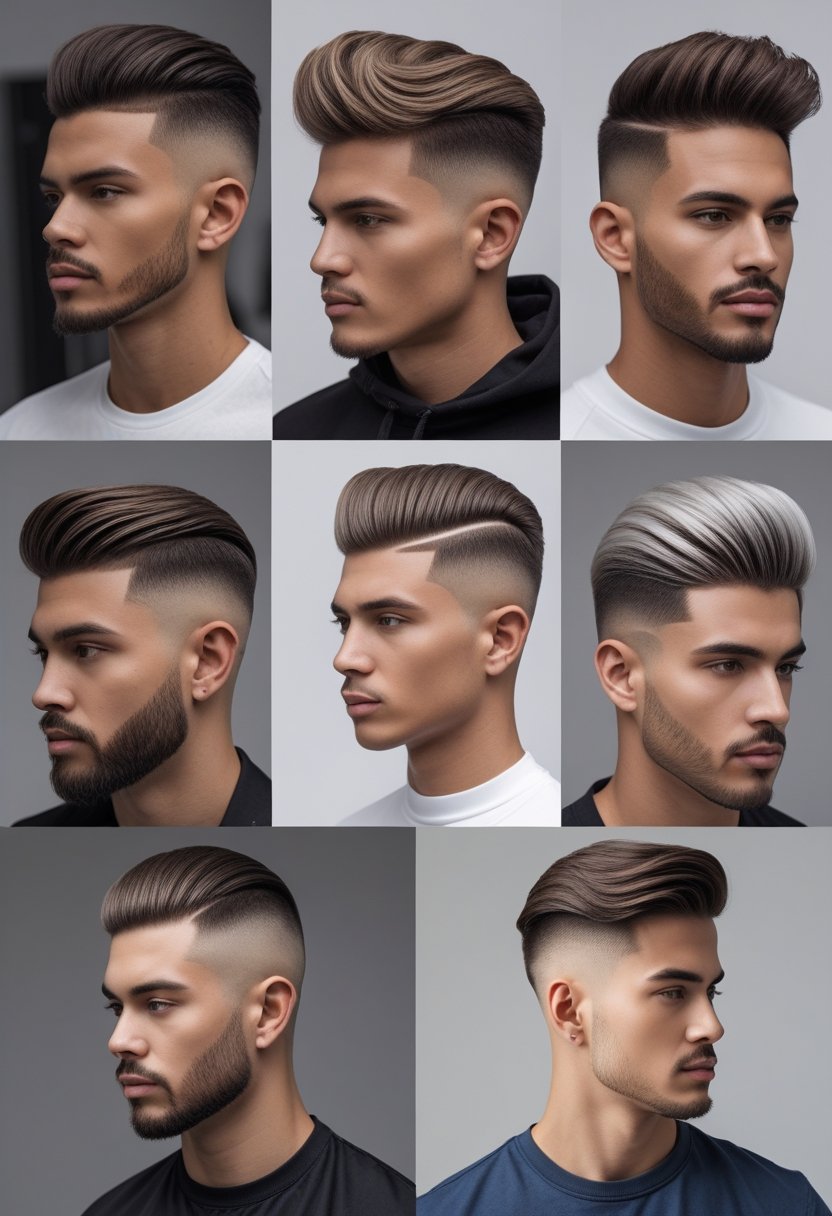
Fade haircuts come in diverse styles tailored to different preferences, face shapes, and hair textures. Each variation offers a unique blend of length, contrast, and detail that shapes the overall look. Understanding these key fade types helps in choosing a style that balances edge with versatility.
Skin Fade with Design Line
The skin fade features a sharp, clean transition where the hair tapers down to bare skin around the sides and back. This fade accentuates contrast, making the design line—a precise shaved stripe or pattern—stand out as a bold detail.
A design line adds personalization and a modern edge, often running along the fade’s outline or framing the temple area. This style works well with longer hair on top, such as textured or voluminous styles, highlighting the blend between natural volume and sharp edges. It suits men seeking a striking yet polished look.
Low Fade Haircut Styles
Low fades start just above the ears, gradually decreasing hair length closer to the neckline. This subtle fade offers a clean finish without dramatic contrast, making it ideal for conservative or professional environments.
Low fades complement hairstyles that maintain length on the sides, like waves or curls. They provide freshness without overpowering the overall style. This fade also pairs well with tapered beards for a seamless grooming look. Men looking for understated yet contemporary cuts often prefer low fade options.
High Fade and High and Tight Options
High fades are cut at or above the temples, creating a bold contrast between top and sides. They bring attention to voluminous or textured hair on top while maintaining minimal side length.
The high and tight, a military-inspired variation, combines a high fade with a very short or buzzed top. It emphasizes sharpness and minimalism, perfect for men seeking low-maintenance yet precise styles. Both options enhance facial features by exposing more of the scalp and can be tailored with skin or bald fades for a cleaner finish.
Mid Fade and Taper Fade Highlights
Mid fades begin around the midpoint of the head, offering a balanced transition between high and low fades. This style suits men who want noticeable but not extreme contrast.
Taper fades focus on gradual length reduction from the crown down to the neckline, often less dramatic than skin fades. They work well with curly or textured hair, preserving natural volume. The taper fade’s versatility makes it a popular choice for blending formal and casual looks seamlessly.
| Fade Type | Starting Point | Contrast Level | Best For |
|---|---|---|---|
| Skin Fade | Bare skin (very low) | High | Bold looks, detailed designs |
| Low Fade | Above ears | Low | Subtle, professional styles |
| High Fade | Above temples | High | Edgy, voluminous looks |
| High and Tight | High fade + buzz cut | Very high | Minimalist, military styles |
| Mid Fade | Mid-head | Moderate | Balanced, versatile styles |
| Taper Fade | Crown to neckline | Low to moderate | Curly hair, natural volume |
Textured Tops and Voluminous Styles
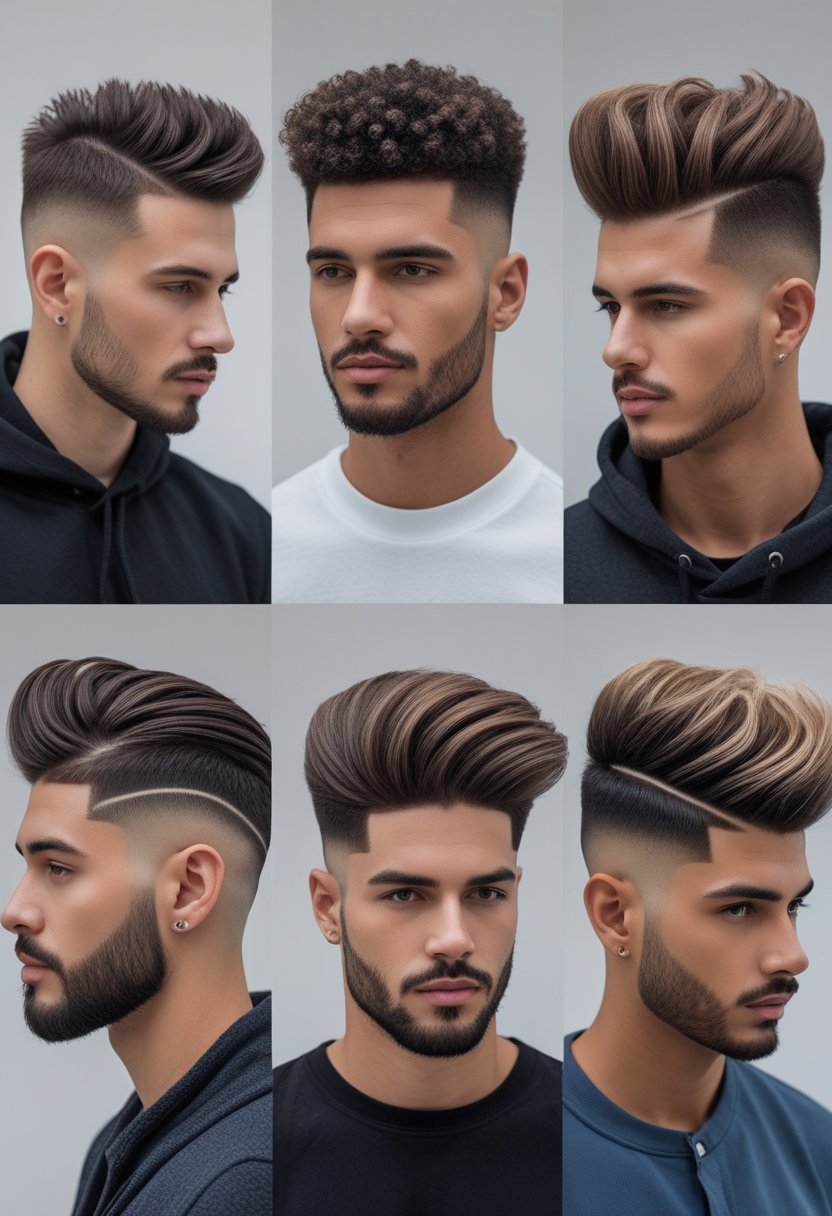
This section highlights key variations of textured haircuts featuring sharp, layered techniques and elevated volume on top. These styles emphasize movement and dimension, often paired with clean fades or precise edges to create contrast.
Modern Textured Crop
The modern textured crop focuses on short sides combined with a slightly longer top, cut to emphasize sharp, choppy layers. This haircut uses a cropped fringe or angular fringe to add structure and subtle edge.
Point cutting and texturizing shears reduce bulk while making the hair appear fuller and more natural. It suits straight or wavy hair types and requires minimal styling for a controlled yet tousled finish.
This style balances clean lines with effortless texture, making it versatile for both casual and formal settings.
Messy Textured Layers
Messy textured layers create a deliberately disheveled look with uneven lengths and soft separation. This style is achieved through layered cuts with textured layers to enhance hair movement and volume without heavy product use.
Ideal for medium-length hair, it adds natural dimension and a lived-in feel. Razoring or point cutting is used to remove bulk while maintaining a light, airy shape.
The messy approach allows for a relaxed appearance that stays modern and easy to manage, appealing to those wanting an understated but stylish look.
Voluminous Quiff Haircut
The voluminous quiff is a statement style combining height and texture on top with shorter sides like a taper fade or undercut. It utilizes layered cutting to build volume and create a spiky or soft quiff shape.
Styling involves blow-drying and light pomade or wax to lift the hair while maintaining spiky quiff separation or a smooth curve. This haircut suits thick hair and blends classic and contemporary trends.
The quiff stands out for its sharp contrast between structured sides and a dynamic, voluminous top that works well for polished or streetwear styles.
Sleek and Polished Comb-Over Variations
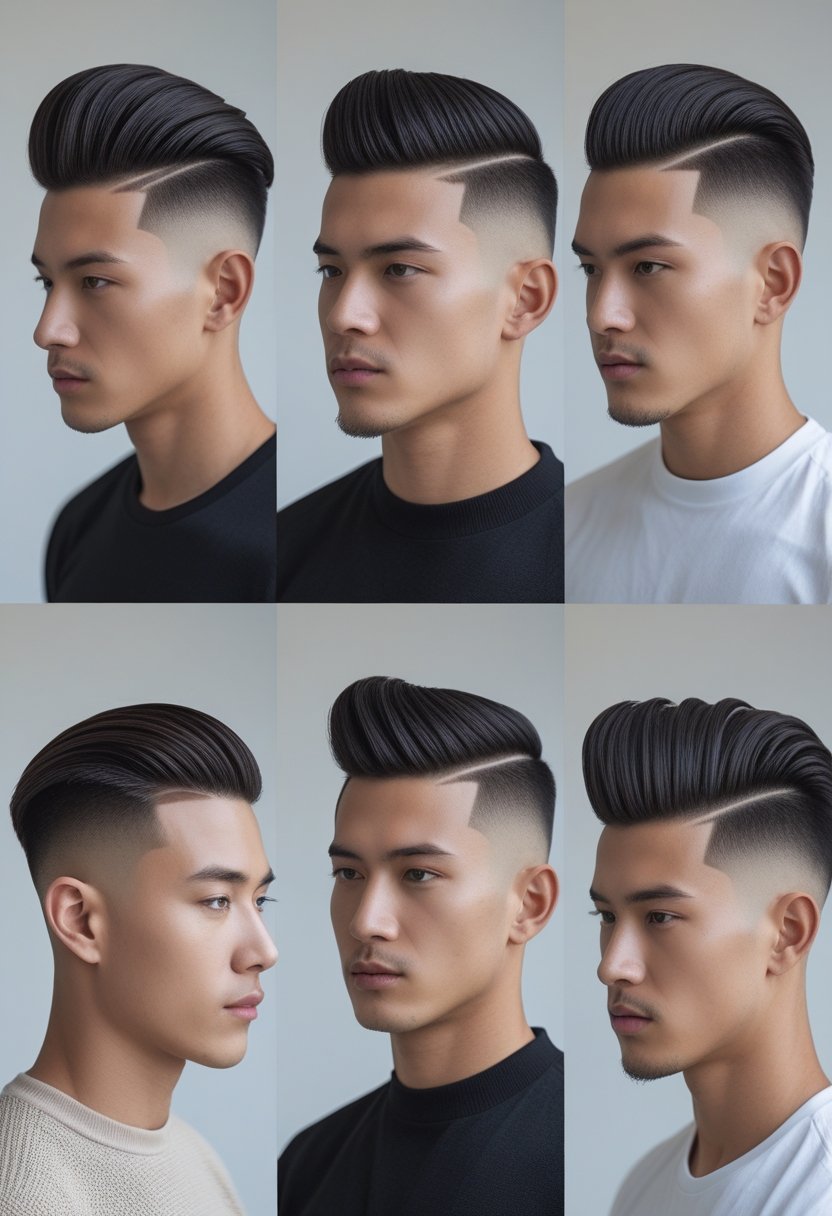
These comb-over styles blend sharp precision with modern texture, offering options from subtle side parts to bold, disconnected designs. Each variation suits different face shapes and hair types while emphasizing neatness and volume.
Classic Side-Swept Look
This style features a defined side part, often called a side part or ivy league haircut. Hair is combed over smoothly, with moderate volume and a slight taper on the sides, creating a polished appearance.
Typically, the sides are trimmed short but not faded to skin, maintaining a balanced proportion with the longer top. It works well for professional or formal settings.
Styling involves applying a medium hold pomade or wax to damp hair, then combing the top over to one side. The overall effect is clean and timeless without being too rigid.
Disconnected Comb Over
The disconnected comb over is characterized by a stark contrast between the long top and the closely shaved or faded sides. This creates a clear visual break, emphasizing the volume and texture on top.
The haircut allows for more textured or voluminous styling, often achieved with a matte product that enhances natural movement. The top can be styled slicked back or with a slight lift.
It suits those looking for a modern edge while maintaining the comb-over’s classic roots. This cut pairs well with skin fades and hard fades, adding a trendy element to traditional grooming.
Hard Part Techniques
A hard part is a sharply shaved line that replaces the natural side part, adding definition and structure to the comb-over or slicked-back look. It creates a striking visual element.
Barbers use clippers to carve a clean line, which can be combined with fades or undercuts on the sides. This technique enhances the contrast between the parted section and the rest of the hair.
It suits men who want a more graphic, precise style. The hard part works well with both textured comb overs and slicked-back ivy league variations, elevating the overall sharpness of the haircut.
Undercuts and Modern Tapered Sides
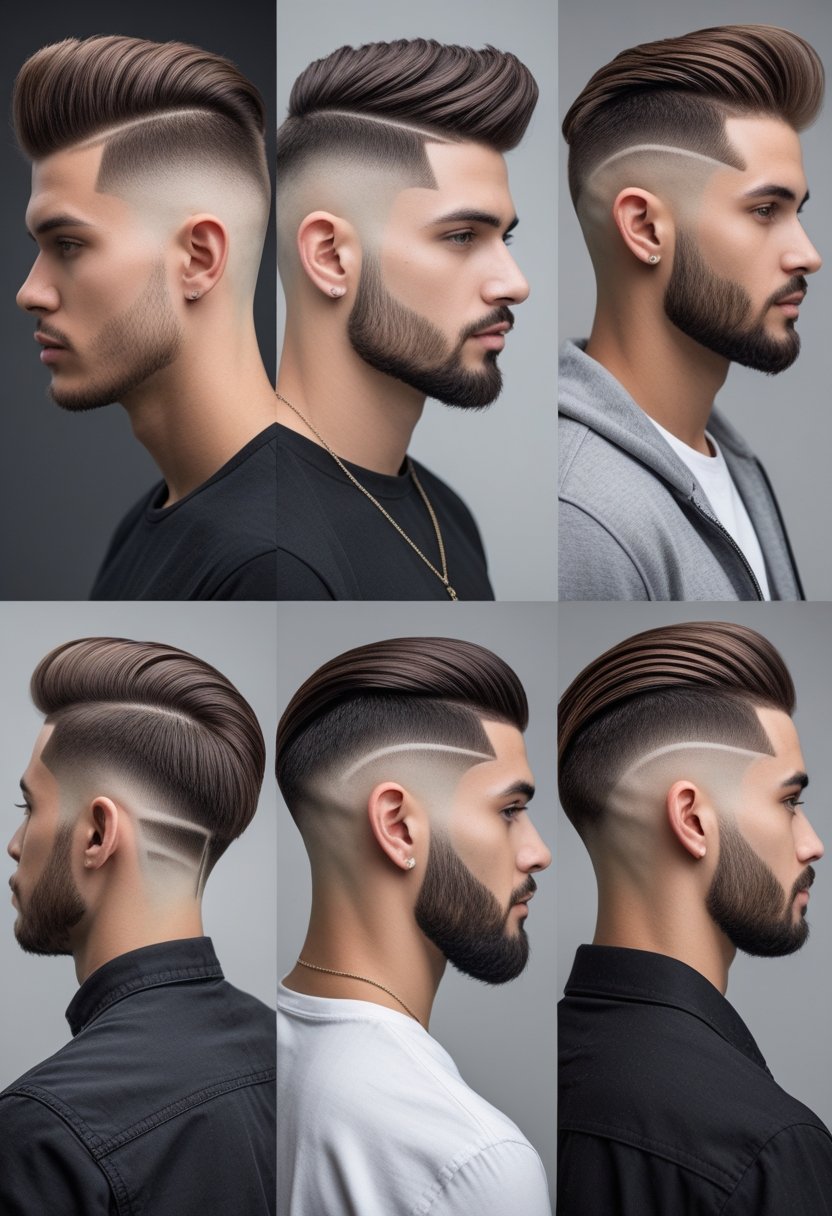
Men’s haircuts today embrace clean contrasts between sides and tops, combining sharp fades with textured or voluminous hair above. The appeal lies in balancing disconnected styles like undercuts with blended, tapered sides for versatility across casual and formal settings.
Stylish Undercut Choices
The undercut remains popular for its high-contrast look, featuring short or shaved sides sharply disconnected from longer hair on top. It suits various styles, including slick comb-overs and voluminous quiffs, and works with different hair textures.
An effective undercut highlights the top’s length and styling, whether sleek or textured. It can incorporate design lines or subtle fades along the sides for added detail. This haircut is adaptable, fitting face shapes that benefit from the emphasized volume and structured edges.
Messy Undercut Trends
Messy undercuts focus on natural texture and controlled disarray on top, offering a casual yet edgy vibe. Layers and choppy cuts create volume without precise styling, ideal for those who want a laid-back but trendy appearance.
Pairing the messy undercut with tapered sides softens the sharp disconnect, blending edges while keeping a modern aesthetic. Curtain hair patterns are often integrated into this style, framing the face and enhancing texture flow.
Tapered and Scissor Cut Techniques
Tapered sides blend the hair gradually from longer to very short near the neckline, creating a sleek finish that contrasts undercuts. Barbers use both clippers and scissor cuts to control taper length and texture.
Scissor cuts allow more precision on the sides, especially with thicker or curlier hair, ensuring smooth transitions and natural movement. This method is key in styles that require subtle fading without losing volumetric shape on top.
| Technique | Description | Suitable For |
|---|---|---|
| Taper Fade | Gradual clipper fade on sides | Clean and professional |
| Scissor Cut | Manual cutting for soft blends | Textured or thick hair |
| Design Lines | Sharp shaved accents on sides | Bold, artistic looks |
Incorporating these techniques results in versatile cuts that balance harsh edges with smooth flow, supporting a wide range of modern men’s hairstyles.
Matching Haircuts to Hair Types and Face Shapes
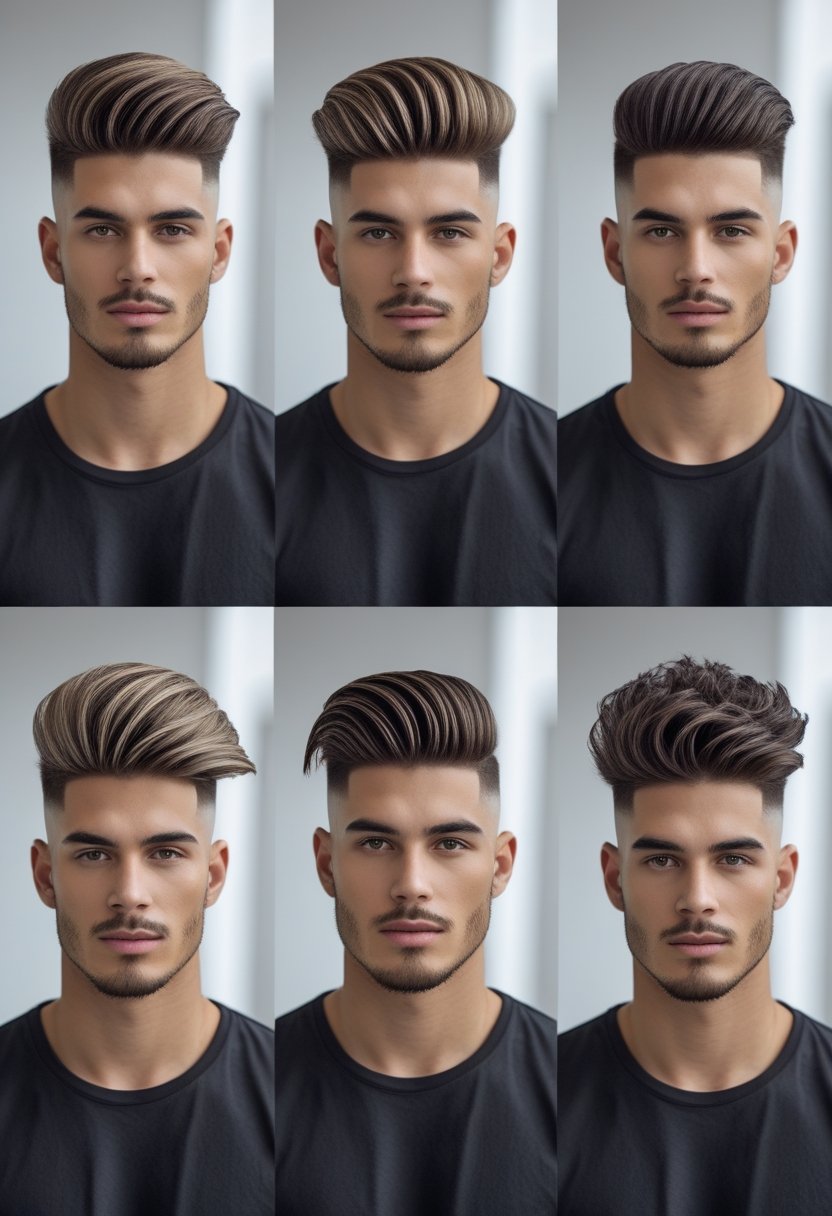
Choosing a haircut tailored to hair texture and face shape enhances both style and ease of maintenance. A haircut that complements natural hair characteristics such as thickness, curl pattern, or density will provide better hold and appearance. Similarly, matching styles to facial contours creates balance and highlights key features.
Best Styles for Thick, Fine, or Thinning Hair
Thick hair supports voluminous cuts like textured quiffs and layered fades, which help reduce bulk while maintaining shape. Styles like a high skin fade with a textured top allow thick hair to stay manageable without losing volume.
Fine hair benefits from layered cuts that add movement and density visually. Short textured crops and comb-overs with a fade create depth, preventing the hair from appearing flat or limp.
Thinning hair requires styles that minimize the scalp’s visibility. Short, clean fades combined with a slight taper and textured top can create the illusion of fullness. Longer hair on top should be avoided, as it can accentuate thinning areas. Conditioning products also support healthier appearance in all hair types.
Options for Wavy, Curly, and Short Hair
Wavy hair adapts well to medium fades with tousled tops, allowing natural waves to frame the face while maintaining a polished look. Cuts with layered texture prevent waves from becoming overly bulky.
Curly hair, including short curls and short afro styles, thrives with strategic taper fades that keep curls defined without excess weight. A classic curly top paired with a low or skin fade highlights the hair’s natural texture while simplifying grooming.
Short haircuts like buzz cuts or tight fades suit all hair types but especially complement curly and coarse hair by emphasizing clean lines. Keeping hair short on the sides balances volume on top and requires less styling effort.
Cuts Suited for Different Face Shapes
Square faces benefit from styles that soften jawlines, such as fades with textured, voluminous tops like quiffs or messy crops. These add height and round edges for balance.
Oval faces can try versatile looks, including sleek comb-overs or skin fades, since this face shape works well with most styles. Medium length hair with volume allows flexibility.
Round faces require haircuts that add angles and length. Sharp fades paired with pompadours or quiffs create elongation. Triangle and diamond face shapes do well with side-swept styles or fringe cuts that reduce forehead prominence and highlight cheekbones.
| Face Shape | Recommended Cuts | Key Benefit |
|---|---|---|
| Square | Textured quiffs, messy crops | Softens jawline |
| Oval | Comb overs, skin fades | Versatility |
| Round | Pompadours, sharp fades | Adds length and angles |
| Triangle | Side-swept, fringe cuts | Balances forehead and chin |
| Diamond | Fringe styles, voluminous tops | Highlights cheekbones |
Styling and Maintenance Tips for Trendy Haircuts
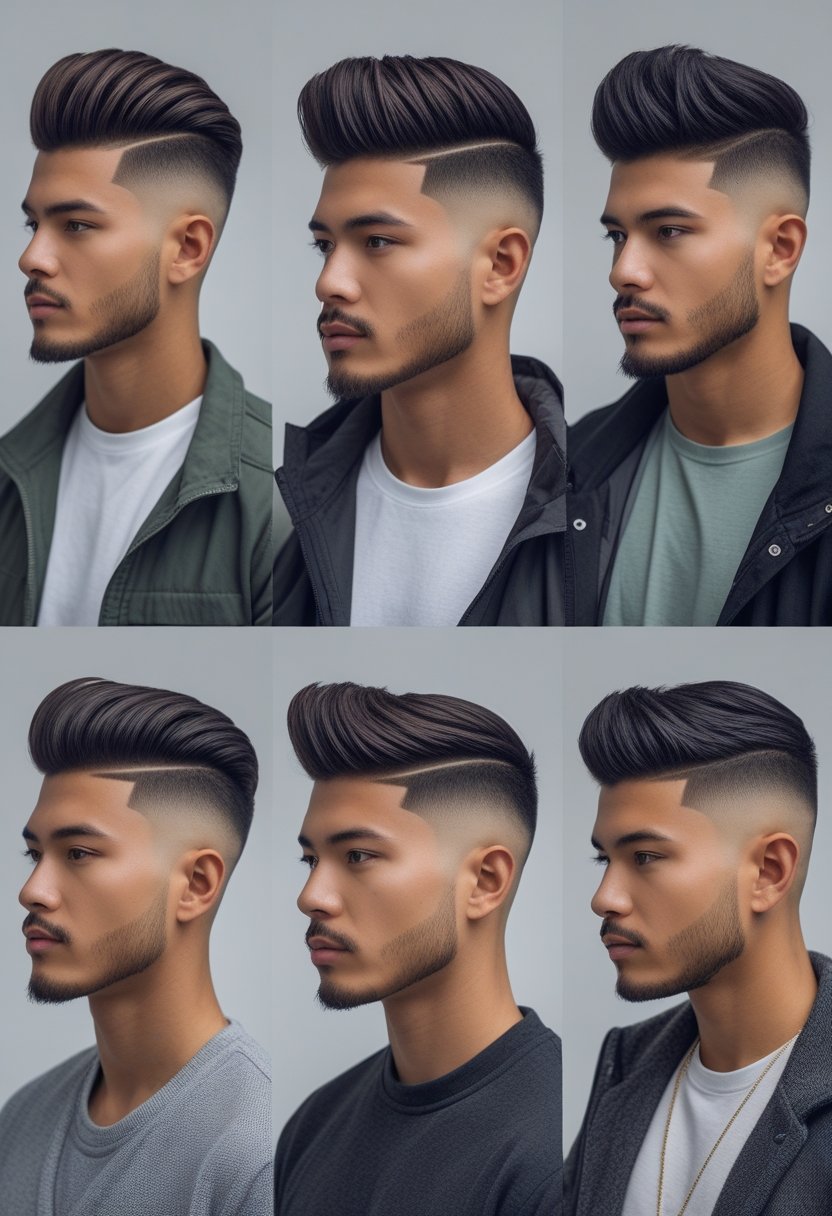
Keeping fade haircuts and textured styles sharp requires targeted care and the right products. Attention to daily habits and precise grooming enhances the overall look of these modern hairstyles.
Recommended Styling Products
For voluminous quiffs and textured tops, pomade and mousse are essential. Pomade provides a firm hold with a natural shine, ideal for sleek comb-overs and classic side-swept styles. Mousse adds volume and texture without weighing hair down, perfect for messy textured crops.
Lightweight styling creams or waxes also work well to define strands while maintaining flexibility. Avoid heavy gels that can cause buildup and stiff hair. Using a good heat protectant before blow-drying preserves hair health while shaping styles.
Daily Care for Voluminous and Textured Looks
Daily care focuses on keeping hair hydrated and maintaining natural movement. Washing with a mild shampoo every two to three days prevents dryness but avoids stripping natural oils. Conditioning is crucial, especially for textured hairstyles, to reduce frizz and enhance manageability.
Blow-drying with a round brush helps create volume at the roots. Finger-combing, rather than using a fine-tooth comb, maintains texture and prevents flattening the hair. Regular trims every 3-4 weeks preserve the haircut’s shape and keep voluminous styles looking fresh.
Maintaining a Sharp Neckline and Fade
A precise neckline defines the overall haircut, essential for professional men’s haircuts and fresh taper fades. Using a quality trimmer, the neckline should be cleaned up every 1-2 weeks to maintain sharpness.
Fades require close attention to blending lines. Visiting a barber regularly ensures the graduated fade stays smooth and well-blended. At home, gentle touch-ups around the edges can prevent the haircut from looking overgrown.
Keeping the skin fade crisp and the design lines clear enhances the haircut’s modern appeal and overall neatness.