Top 25 Men’s Hairstyles : Trendsetting Cuts to Try Now
Men’s hairstyles in 2025 blend timeless classics with modern innovation, offering a wide spectrum of looks from textured fades to sleek undercuts. Whether aiming for a professional appearance or a bold statement, the latest trends provide versatile options that suit various face shapes and lifestyles.

The top men’s hairstyles this year focus on clean lines, textured movement, and subtle details like asymmetry and color highlights to elevate any look. From fresh pompadours and taper fades to edgy mullets and burst fades, these styles offer a sharp and confident vibe for anyone willing to update their grooming routine.
This guide highlights 25 standout haircuts, perfect for those wanting to refine their style with contemporary yet practical choices. Each hairstyle captures a mix of sophistication and effortless cool, making it easier to find the right fit for personal expression and everyday wear.
Trending Men’s Hairstyles for 2025

Men’s hairstyles in 2025 blend sharp edges with natural texture, creating looks that balance precision and movement. Popular cuts feature dynamic contrasts between lengths, clean lines, and bold styling choices. These styles offer customizable options to suit different hair types and personal preferences.
Modern Pompadour Highlights
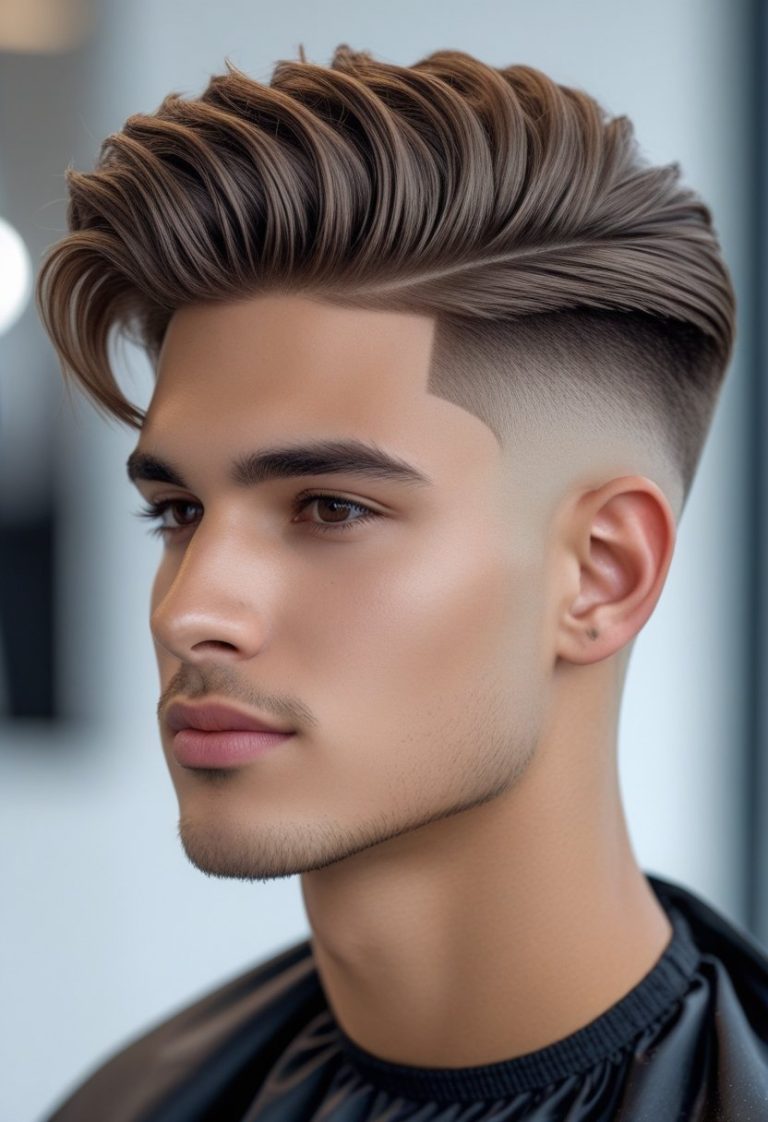
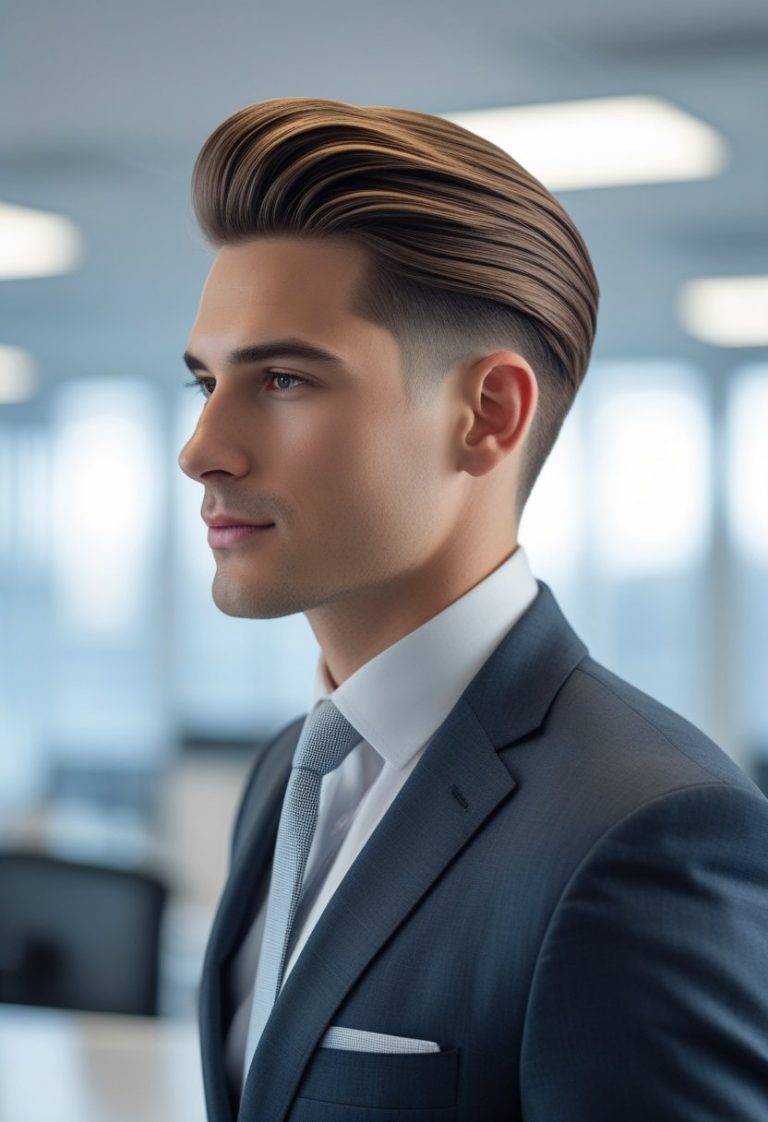
The modern pompadour remains a standout, combining classic volume with contemporary detailing. It features a high, swept-back front with either a glossy or matte finish.
Highlights, such as subtle blonde or caramel tones, add depth and dimension, elevating this traditional style. Asymmetry and broken edges give the cut a less rigid, more relaxed appearance. Styling products that provide strong hold but flexible movement are key for maintaining structure without stiffness.
This haircut suits thick hair but can be adapted for thinner textures with layered trimming. Overall, it delivers a confident, polished look with a modern flair.
Textured Crop Innovations
Textured crops emphasize tousled layers and natural movement for a casual yet refined appearance. Cuts involve short to medium lengths with choppy, broken edges to avoid overly clean lines.
New trends incorporate uneven layering and loose strands, allowing hair to appear lived-in and effortless. This style works well on straight, wavy, or slightly curly hair. It requires minimal upkeep, relying on texture-enhancing products like matte paste or sea salt spray.
Textured crops are versatile and appeal to those seeking a low-maintenance but stylish haircut that fits both professional and casual settings.
Fade Hairstyles Evolution
Fades continue to define men’s haircuts, but 2025 features more varied and expressive fade styles. These include high fade, mid fade, low fade, and skin fade, each offering different contrasts and transitions between lengths.
The high fade sharpens the temples and sides for a bold frame. Mid and low fades provide softer blends that suit classic and conservative styles. Skin fades deliver a clean, almost shaved effect adding a sharp finish to popular cuts like the pompadour or crop.
Barbers now experiment with uneven or broken fade edges, adding texture and personality. The fade remains essential for men who want a precise, fresh haircut with modern customization.
Revival of the Modern Mullet
The modern mullet gets a contemporary update with softer transitions and textured layering. Unlike the dramatic styles of the past, 2025 mullets balance length between front, top, and back for a more wearable look.
The cut often features tapered sides with a gradual fade into longer hair at the back. Soft waves or curls add volume and disguise harsh lines. The mullet appeals to men embracing individuality and retro-inspired yet refined aesthetics.
Styling involves light products to enhance natural texture, making it suitable for a range of hair types and occasions. This revived haircut offers boldness with subtle sophistication.
Fades and Taper Styles

Fades and tapers create clean, sharp contours by gradually shortening hair length on the sides and back. These styles emphasize precision and adaptability, giving men options that range from bold and edgy to subtle and classic. Variations in fade height and taper techniques allow customization based on face shape and personal style.
High Fade Techniques
The high fade starts near the temples, curving above the ears for a striking contrast between the top and sides. It often pairs with short or textured hair on top, emphasizing strong lines and a defined silhouette.
A common choice for those seeking a modern, edgy look, the high fade highlights facial features and works well with skin fades for added sharpness. Precision blending is key to avoid harsh lines and maintain smooth transitions.
High fades suit men with oval, square, or angular face shapes, adding height and structure without overwhelming the overall look.
Mid Fade Versatility
The mid fade begins around the midpoint of the head, between the temples and ears. This position balances boldness and subtlety, making it one of the most versatile fade options.
It blends naturally with various hairstyles, including pompadours and textured crops. The mid fade suits most hair types, from straight to curly, and complements a wide array of personal styles.
Mid fades can incorporate skin fade or classic taper techniques depending on the desired sharpness, offering adaptability for different professional or casual settings.
Low Fade and Temple Fade Options
Low fades start just above the ears, creating a gentle, understated gradient that works well for conservative or low-maintenance styles.
The temple fade, a specific low fade variation focused around the temples, adds definition without reducing length drastically. It creates a clean, refreshed look that frames the face subtly.
Both low and temple fades pair well with longer hair on top, allowing for slick backs, waves, or natural volume. These fades emphasize natural contours and maintain a balanced appearance.
Taper Fade Trends
The taper fade combines a gradual length reduction from the top, around the sides, and down to the neckline. Unlike standard fades, taper fades maintain some hair length around the edges, preserving shape and definition.
Taper fades suit all hair types and face shapes due to their adjustable nature. Popular in 2025, taper fades often feature low or mid placements with soft blending.
They can incorporate skin fade elements or remain more conservative, blending tradition with modern grooming preferences. This style offers a versatile, polished finish that fits professional environments and casual wear alike.
Classic and Short Haircuts

Classic and short haircuts offer clean, structured styles that fit a variety of lifestyles. These cuts emphasize simplicity, ease of maintenance, and a sharp appearance, appealing especially to men seeking a timeless look with minimal fuss.
Buzz Cut Renaissance
The buzz cut remains one of the easiest, most practical haircuts for men. With its ultra-short length, it provides a uniform texture that is low-maintenance and ideal for active lifestyles or thinning hair.
Beyond basic uniformity, modern buzz cuts can include subtle variations such as faded edges or textured tops to add dimension without losing simplicity. This style communicates confidence and suits virtually all face shapes.
Its versatility allows customization, with options ranging from a very tight “induction” buzz to a slightly longer guard length. The buzz cut is also favored for its hygienic qualities and performance in hot climates or athletic settings.
Crew Cut Modernization
The crew cut updates a traditional short haircut with a tapered fade along the sides and back while keeping the top slightly longer for styling. This enhances the haircut’s clean, sharp lines and offers modest versatility for grooming.
Usually cut shorter on the sides than the top, the crew cut provides natural volume and shape that can be styled with a bit of product for texture or left natural for a smooth finish. This cut balances a professional look with casual wear.
Its modern take often includes fades from low to high, creating contrast and a refreshed appearance. This makes it a popular choice for men seeking a practical yet polished hairstyle for daily wear or formal occasions.
High and Tight Styles
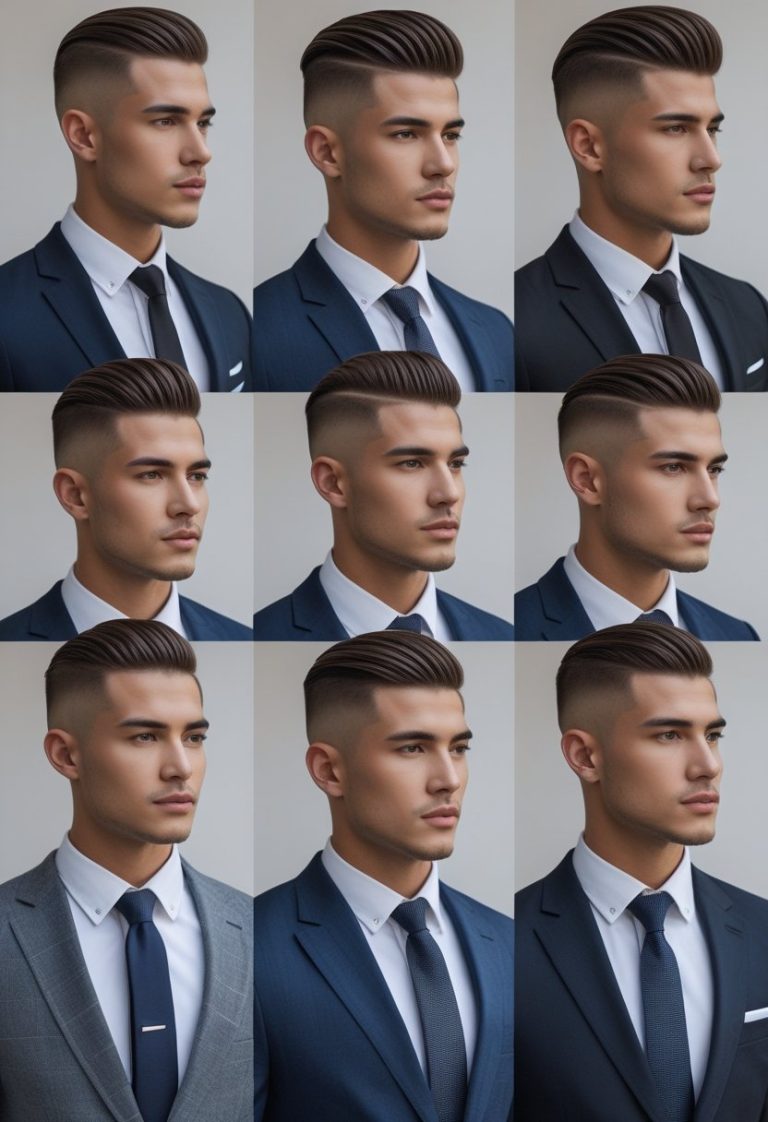
The high and tight haircut is characterized by very short sides and back, often shaved close to the skin, with a slightly longer top. Inspired by military styles, it projects discipline and precision.
This haircut suits men who prefer aggressive minimalism on the sides but want some length on top for styling or texture. The stark contrast between the shaved sides and fuller top heightens facial features, especially strong jawlines.
Its crisp definition works well with taper fades or skin fades, emphasizing a structured, masculine silhouette. The high and tight remains relevant for men interested in a bold yet clean-cut appearance with straightforward upkeep.
Ivy League Cut Resurgence
The Ivy League cut offers a refined variation of the crew cut, with enough length on top to part or comb neatly to the side. It combines classic appeal with practical adaptability suitable for business and casual settings.
This cut emphasizes neatness with its tapered sides and back paired with a styled top usually long enough for a side part. It suits men seeking a polished, gentlemanly look that doesn’t require excessive styling effort.
Today’s Ivy League includes softened edges and blended fades, moving away from rigid lines toward a more natural flow. Men favor it for its balance between traditional formality and modern subtlety in texture and volume.
Textured and Messy Looks

Textured and messy hairstyles combine natural volume with intentional structure. These styles add dimension and character by emphasizing layers, uneven lengths, and controlled disarray. They work well for those seeking a relaxed yet stylish appearance without heavy maintenance.
Messy Quiff Approach
The messy quiff blends volume with a deliberately undone finish. Hair is lifted at the front with a matte product to enhance texture and maintain flexibility. This look balances casual and polished, ensuring hair doesn’t appear overly styled.
Sides usually feature a taper or fade to contrast with the fullness on top. The shape remains soft, avoiding rigid lines, which adds to the effortless appeal. Ideal for men wanting an adaptable style that can work from day to night.
Textured Crops and French Crop
Textured crops focus on short, layered cuts that create movement and break up uniformity. This style emphasizes natural hair texture with choppy ends and slight unevenness.
The French crop, a variation, keeps a short fringe styled forward, subtly framing the forehead. It pairs well with a low fade or taper around the ears, offering a sharp yet understated edge. Both cuts suit various hair types and face shapes, ideal for low-maintenance grooming.
Mid-Length Waves and Flow
Mid-length waves bring natural body and softness to men’s hairstyles. Hair is grown out enough to show wave patterns but kept neat with layering to prevent bulkiness.
Styling focuses on enhancing wave definition with lightweight creams or sea salt sprays, providing a casual, tousled look. This option suits those wanting a flexible style that can be more groomed or laid-back, depending on the occasion.
Curly and Fade Mullet
The curly and fade mullet reinvents the classic mullet with textured, voluminous curls on top and a tapered fade on the sides. This contrast emphasizes the length at the back while maintaining a sharp, fresh edge.
Curls add natural movement and thickness, balancing the modern fade’s clean lines. This style works best with hair that holds curl well and requires regular upkeep to keep fades crisp and curls defined. It offers a bold, statement-making look.
Statement and Edgy Styles

Edgy hairstyles combine sharp lines, bold volume, and unexpected contrasts to make a clear personal statement. These styles often balance clean cuts with creative details that highlight confidence and individuality.
Mohawk Fade and Bold Undercuts
The mohawk fade blends the classic mohawk’s strip of longer hair with a gradual fade on the sides, creating a sharp contrast. This style suits men who want a daring look without full commitment to a traditional mohawk’s extreme top length. The fade can range from a skin tight to a mid fade, adding versatility.
Bold undercuts emphasize a strong length difference between the top and sides. The sides are clipped very short, sometimes even shaved, while the top remains longer and styled proudly. This creates a dramatic, structured appearance that works with slicked-back hair, textured waves, or spikes.
Both styles rely on clean lines and precision cuts to maintain their boldness.
Slick Back Trends
Slick back haircuts continue to evolve with modern twists, shifting from a strictly polished look to one with texture and natural movement. Men today often pair slick backs with faded undercuts or disconnected styles, which adds dimension and freshness.
Using lightweight, matte products helps avoid a greasy look while maintaining control. The hair is combed smoothly back, but subtle volume is added at the crown to keep the style from appearing flat.
This haircut suits both formal and casual settings, offering versatility with a confident edge.
Edgar Cut Popularity
The Edgar cut is notable for its straight fringe and sharp, squared edges, mainly around the forehead and temples. It draws from Latinx street style but has gained mainstream appeal due to its distinct, clean silhouette.
Typically, the sides are tapered or faded gradually to emphasize the blunt front line. The fringe creates a youthful and bold frame that contrasts with the shortened sides, giving a very defined shape to the face.
The cut suits men looking for a low-maintenance yet striking haircut, often paired with natural hair textures or slight waves.
Comb Over Revival
The comb over has returned as a refined option, moving beyond its vintage roots. Modern comb overs feature higher fades, sometimes skin fades, combined with longer hair on top that’s parted distinctly to one side.
This style favors precision and neatness, with the hair combed smoothly but allowing slight volume, incorporating textured finishes instead of flat slickness.
It fits a wide range of hair types and is often chosen for professional appearances or everyday elegance. Maintenance requires regular trims to keep the sharp contrast between the parted top and the sides.
Styling Products and Men’s Grooming Tips

Effective men’s grooming starts with using the right styling products and maintaining a consistent hair care routine. Combining product choice with proper upkeep ensures hairstyles stay sharp and manageable between barber visits.
Choosing the Right Styling Product
Selecting the ideal product depends on hair type, desired hold, and finish. For a sleek, shiny look, pomade offers strong hold with a glossy finish, ideal for slick backs and classic styles.
For texture and a natural appearance, matte clay provides a flexible hold without shine, perfect for modern cuts like textured fades. Those wanting light control with added volume can use sea salt spray, which enhances natural waves and adds grip.
Styling creams work well for medium hold and smoothness, especially for thicker hair needing some control without stiffness. Matching product strength to the hair’s length and thickness prevents overloading or insufficient hold.
Perfecting Your At-Home Routine
A consistent routine includes washing with a gentle shampoo suited to hair type, followed by a conditioner to maintain scalp and follicle health. Applying styling products to damp hair enhances even distribution and better control during styling.
Using a comb or fingers, men can sculpt hairstyles to their preference. For example, a comb works best for precise parts, while fingers help achieve a natural, tousled look.
Heat tools like blow dryers can boost volume and hold but should be used with heat protectants to avoid damage. Regularly washing out products maintains scalp hygiene and prevents buildup.
Barber Maintenance Advice
Regular barber visits keep hairstyles clean and well-shaped. Men should communicate their preferred cut and styling tendencies clearly to barbers for tailored trims.
Barbers can provide advice on suitable products and recommend adjustments based on hair texture or growth patterns. Scheduling appointments every 3–6 weeks prevents styles from losing definition.
Professional fades, tapers, and detailed cuts require expert upkeep to maintain crisp lines and transitions. Barbers also help monitor scalp health and suggest grooming routines that complement the haircut and styling product used.