Modern Mullets 2025: Fresh Looks & Grooming Tips
Modern Mullets 2025: Fresh Looks & Grooming Tips
The mullet haircut, once a symbol of 1980s style, has returned with a modern edge in 2025. It has evolved from its retro roots into a versatile look embraced by celebrities, influencers, and fashion enthusiasts alike. This resurgence reflects a blend of classic rebellion and contemporary trends, making it relevant for various personal styles.
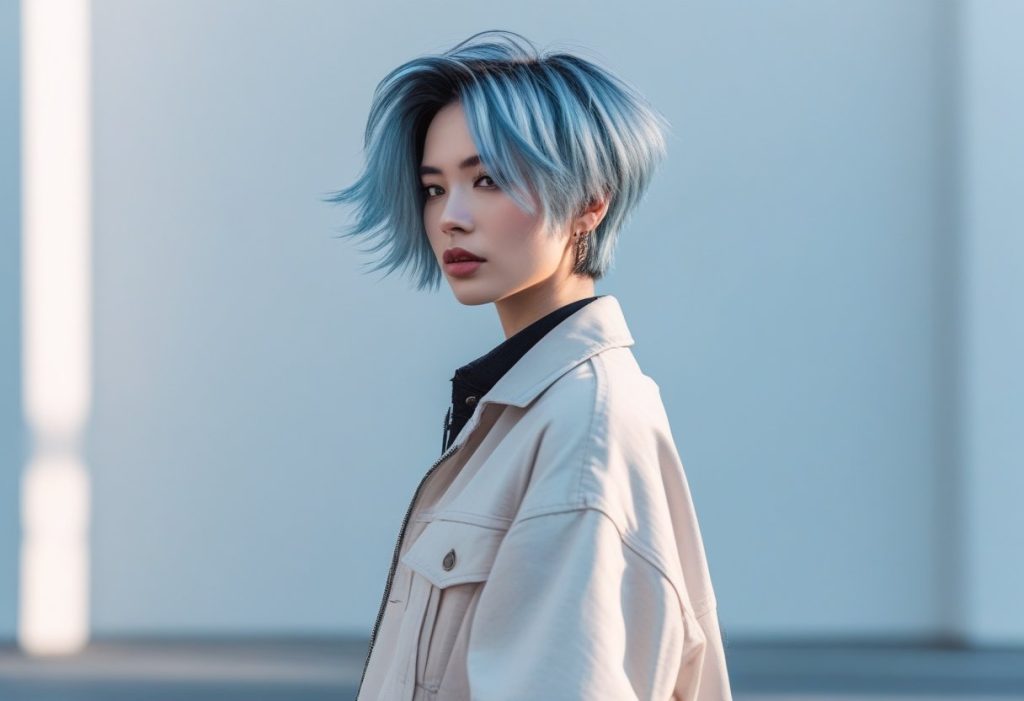
The modern mullet revival is defined by its adaptability, offering fresh takes such as fades, undercuts, and textured finishes that suit different hair types and preferences. This allows individuals to customize the look, whether they want something bold and edgy or sleek and sophisticated.
With over a dozen new variations gaining popularity, the mullet is no longer just a nostalgic statement. It stands as a meaningful hairstyle choice for those seeking something standout yet stylish in today’s fashion landscape.
Modern Mullet Revival: 2025’s Edgy Comeback
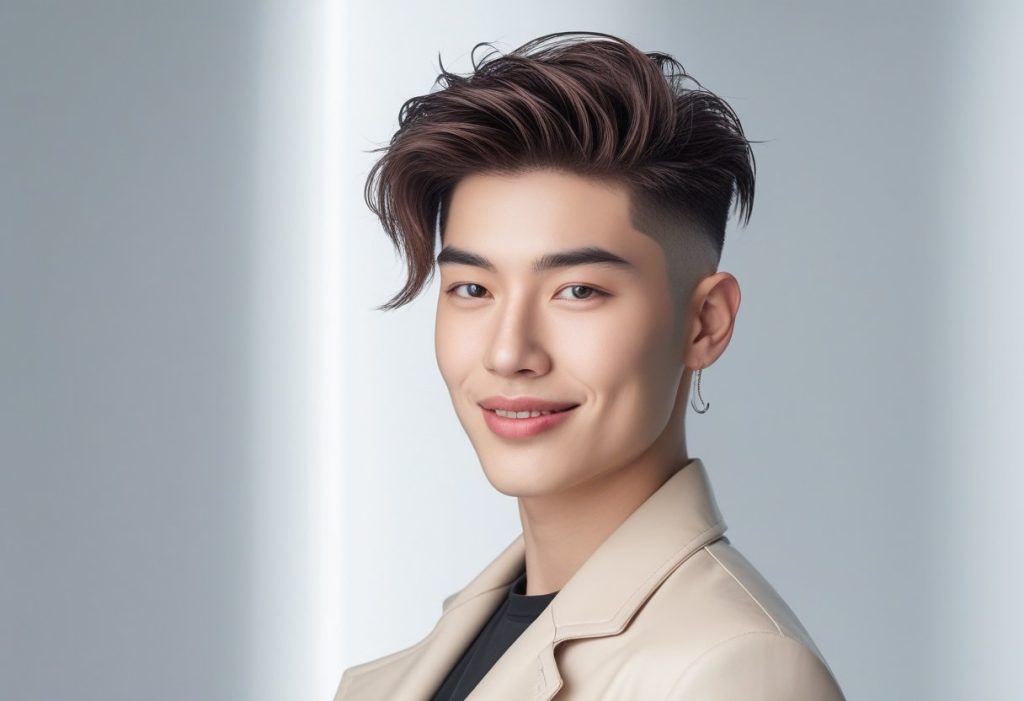
The mullet has shifted from a retro style to a modern expression of individuality. Its evolution embraces both subtle changes and bolder adaptations. This transformation is influenced by cultural shifts, new styling techniques, and a strong presence in today’s digital world.
The Evolution From Classic to Contemporary
The classic mullet, known for its “business in the front, party in the back” shape, has undergone significant updates. Modern mullets feature softer transitions between the short and long sections, often paired with fades or undercuts.
Textured cuts like the wolf mullet add volume and movement, making the style more versatile. Hair lengths vary widely, from subtle back length to pronounced tail-like finishes.
The modern mullet blends edginess with sophistication, shedding the outdated stereotypes. It works across hair types and adapts easily to current grooming trends.
Why the Modern Mullet Is Trending Now
The resurgence of the mullet in 2025 is driven by a move towards bold, individualistic styles. Its blend of retro appeal with modern refinement attracts those seeking a distinct look.
New cutting techniques have made the mullet more wearable and accessible. Fade and undercut combinations soften the contrast, appealing to a broader audience.
Men and women alike embrace the mullet’s versatility, as it adapts to curly, straight, and textured hair. It fits well with both casual and polished appearances.
Influence of Pop Culture and Social Media
Celebrities, athletes, and influencers have propelled the mullet into the spotlight. Their adoption of diverse mullet styles on platforms like TikTok has fueled its popularity among younger generations.
Instagram and YouTube tutorials provide step-by-step guides to achieving and maintaining modern mullets, increasing confidence in experimenting with the look.
The viral nature of these hairstyles encourages more variations, from sharp fades to layered wolf cuts, keeping the mullet relevant and ever-evolving.
Defining Features of the Modern Mullet
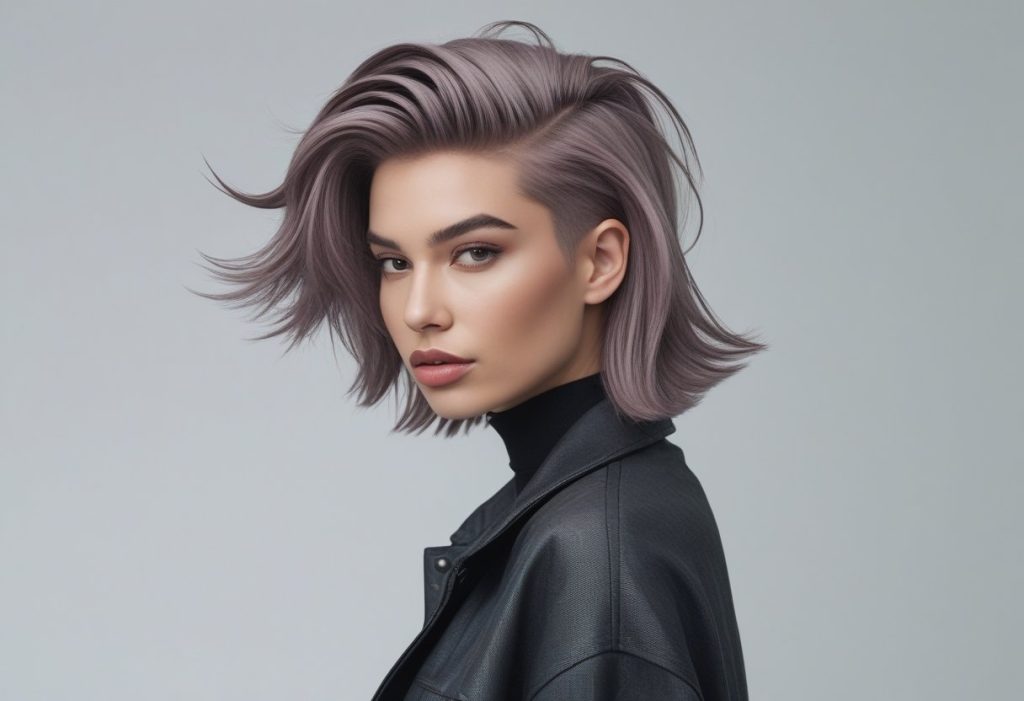
The modern mullet balances sharp edging with layered texture and presents a versatile silhouette adaptable to different personal styles. Key elements like precise sides, length contrasts, and customization options distinguish this 2025 trend from its retro predecessor.
Structured Sides and Layered Lengths
Modern mullet haircuts often feature neatly trimmed or faded sides, creating a clean, controlled look. These structured sides contrast with varied lengths on top and at the back, offering dimension without bulk.
Layering plays a crucial role. Hair is cut in graduated lengths to add texture and movement. This enhances the haircut’s sophistication, accommodating different hair types including straight, wavy, and curly.
Barbers incorporate fades, bursts, or tapered detailing on the sides to blend the shortest areas into longer layers seamlessly. This precise craftsmanship lends a polished, contemporary aesthetic to mullet styles.
Business in the Front, Party in the Back
The phrase “business in the front, party in the back” aptly describes the modern mullet’s defining silhouette. The front and sides remain shorter and more streamlined, suitable for formal or professional settings.
In contrast, the back retains longer lengths, allowing for expressive styling—whether natural waves, curls, or straight hair left flowing. This juxtaposition gives the haircut a dynamic edge, straddling classic neatness and casual flair.
This design provides wearers flexibility to adapt their appearance. The front frames the face cleanly, while the back serves as a statement section, elongating the neck or adding volume behind the head.
Customization and Versatility
Modern mullet styles are highly customizable to fit face shape, hair texture, and lifestyle needs. From subtle mullets with mild length differences to more dramatic styles featuring textured wolf cuts or burst fades, options span a wide spectrum.
Barbers tailor details such as the sharpness of the fade, height of the layered top, and length of the back cascade. Some incorporate texturizing techniques or color accents to enhance individuality.
The haircut suits men with different hair densities and can be styled sleek or tousled. This flexibility makes mullet haircuts for men a practical choice for those seeking an edgy yet adaptable look.
Popular Modern Mullet Styles for 2025
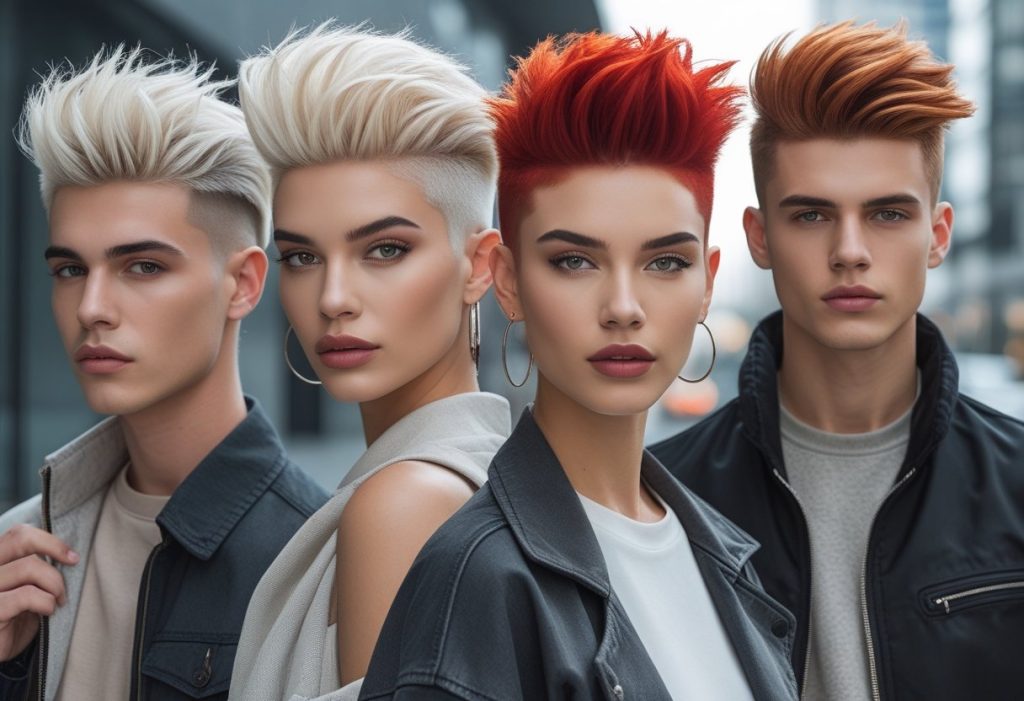
Modern mullets balance edgy style with versatility, combining classic elements with fresh techniques like layering and fades. These styles suit different hair textures and personal tastes, providing options from structured to relaxed looks. Each variation focuses on blending length and shape to create a sharp yet wearable haircut.
Textured Mullet
The textured mullet features layered cuts that add volume and movement to the hair. Shorter sides blend seamlessly into longer back sections, with choppy or feathered layers enhancing natural hair texture. This style works well for those with straight or slightly wavy hair, as the layers prevent the mullet from looking flat or heavy.
Styling often involves using light products like texturizing sprays or pomade to emphasize separation and definition. The texture helps create a modern, less severe version of the classic mullet, suitable for casual or professional settings without losing its bold edge.
Curly Mullet
The curly mullet embraces natural curls, combining the signature longer back with shorter, neatly shaped sides. This style allows curls to frame the face while maintaining the mullet’s distinctive silhouette. It requires proper hydration and curl-enhancing products to keep curls defined and frizz-free.
Curly mullets can vary in length and curl tightness, with the sides often tapered to prevent bulkiness. This haircut offers a playful yet controlled look, making it accessible for men who want to celebrate their natural texture while rocking an updated mullet style.
Shaggy Mullet
The shaggy mullet features longer, tousled layers throughout the hair, giving a relaxed, lived-in appearance. Unlike sharply defined cuts, the shaggy mullet prioritizes softness and volume over precise edges. It works well for medium to thick hair types, where the layers add dimension and reduce weight.
This style appeals to those who want a low-maintenance yet stylish cut. Styling typically involves minimal effort, often just hand-texturing or using a light mousse to maintain the muted waves or slight messiness that define the shaggy look.
Wolf Cut Mullet
The wolf cut mullet combines elements of the shaggy cut with sharper, more aggressive layering. It often features heavily textured, choppy ends with a mixture of long and short layers around the crown and back. This style sacrifices uniformity for a wild, untamed aesthetic.
Ideal for thick, textured hair, the wolf cut mullet creates a dramatic silhouette that stands out. To maintain its look, regular trims are necessary along with products that enhance texture and hold shape, ensuring the haircut remains bold without becoming unkempt.
Edgy Variations: Undercuts, Fades, and Tapers
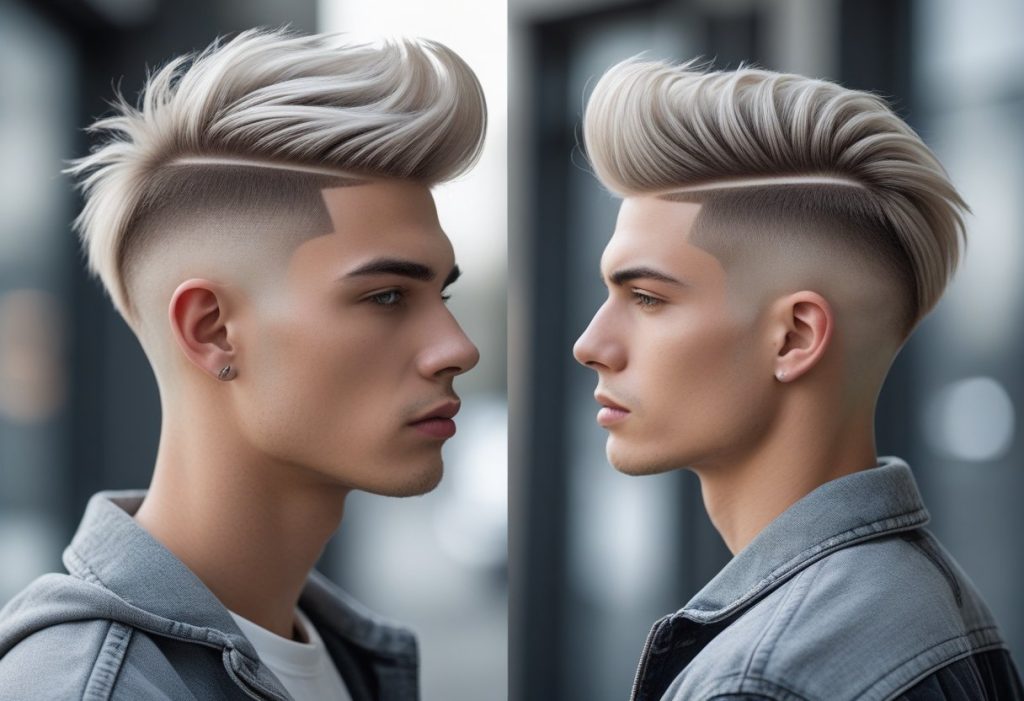
Modern mullets in 2025 often combine sharp contrasts and clean lines for a contemporary look. These styles emphasize precise cuts on the sides and a longer length in the back, creating a striking balance between retro and current trends.
Undercut Mullet
The undercut mullet features very short or shaved sides contrasting with longer hair at the back. This creates a distinct separation that highlights the mullet’s shape. The top can be left longer or styled with texture to add dimension.
This style is popular for its bold, edgy appearance and suits various hair types. It offers versatility, allowing the wearer to keep the top textured, slicked back, or even incorporate fades. The undercut mullet works well for those wanting a clear, defined edge without losing the classic mullet’s essence.
Faded Sides and High Fade Mullets
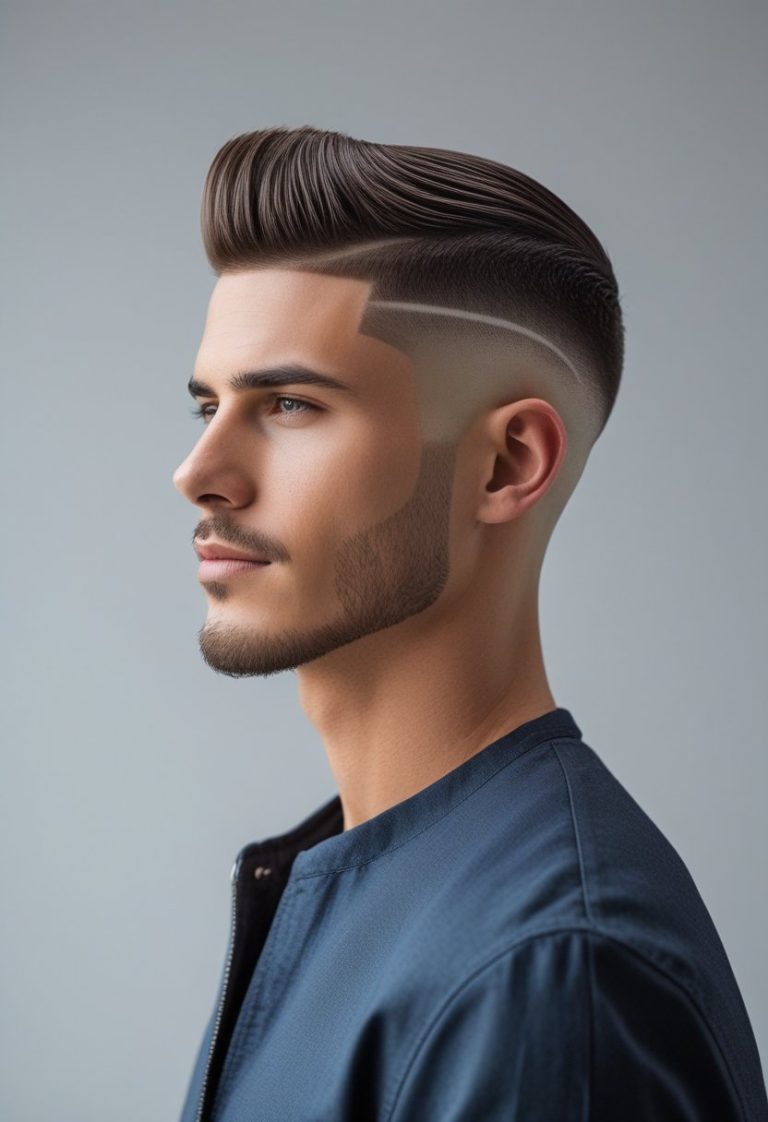
Faded sides lighten the transition from the top or longer back hair down to bare skin or very short hair. The high fade mullet places this gradual taper high on the head, creating a dramatic contrast with the longer hair in the back.
This look softens the mullet’s edges while maintaining an impactful statement. It is suitable for straight, wavy, or curly hair and can be adapted with different fade lengths and blend techniques. The fade adds a clean, modern twist that keeps the mullet fresh and less bulky on the sides.
Tapered Mullet
A tapered mullet uses a gradual reduction in hair length on the sides and back, rather than a stark division. The taper can start low or mid-level, blending into the longer back section smoothly.
This style appeals to those seeking a less aggressive but still stylish mullet. The tapered sides support a polished feel, making it versatile for casual or professional settings. Tapered mullets work well with layered textures, enhancing movement and reducing heaviness in the hair.
Essential Styling Tips and Maintenance
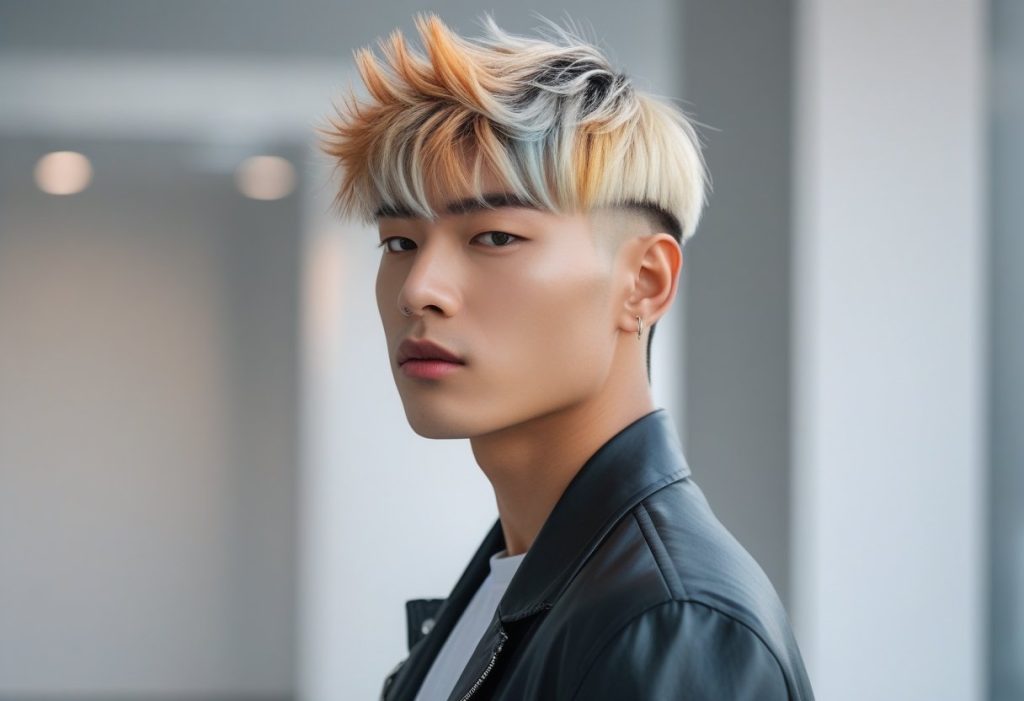
Maintaining a modern mullet requires attention to texture, volume, and creativity in finishes. Proper products and daily habits ensure the cut remains defined and easy to manage, while color and styling choices can enhance its edgy appeal.
Product Recommendations for Texture and Volume
To achieve the signature contrast of the modern mullet, volumizing mousse adds lightweight lift, especially at the roots and crown. It supports the choppy layers common in this style without weighing hair down.
Sea salt spray is essential for creating natural texture and a matte finish. It enhances the mullet’s tousled effect and adds grip for styling.
For freshness between washes, dry shampoo absorbs excess oil and maintains volume, particularly helpful in the shorter front and sides where flatness can occur quickly.
A simple toolkit of mousse, sea salt spray, and dry shampoo meets the needs of most hair types while preserving the mullet’s structured yet effortless look.
Day-to-Day Styling Routines
Styling typically begins with towel-dried hair. After applying volumizing mousse at the roots, hair can be blow-dried using fingers or a diffuser to encourage natural movement.
Sea salt spray is usually misted through mid-lengths to ends to boost texture. This step supports the intentionally messy and layered appearance.
In the morning, dry shampoo helps refresh sections that flatten overnight, especially for thicker hair. Lightly running fingers through the hair keeps the shape without losing volume.
Styling tools and products should be balanced to avoid stiffness; the goal is a look that appears casually arranged but carefully maintained.
Color and Creative Finishes
Adding color can redefine the modern mullet’s impact. Subtle highlights or lowlights emphasize layers and add dimension to the cut.
Bold choices like pastel tones, ombré, or vivid block colors create statement finishes that highlight the contrast between front and back sections.
Matte finishes from sea salt sprays complement natural hair colors, while glossy serums suit creative colors by enhancing shine and vibrance.
Color upkeep involves regular touch-ups and moisturizing treatments, as dyed ends tend to dry faster due to frequent styling and exposure.
Choosing the Right Modern Mullet for Your Hair Type
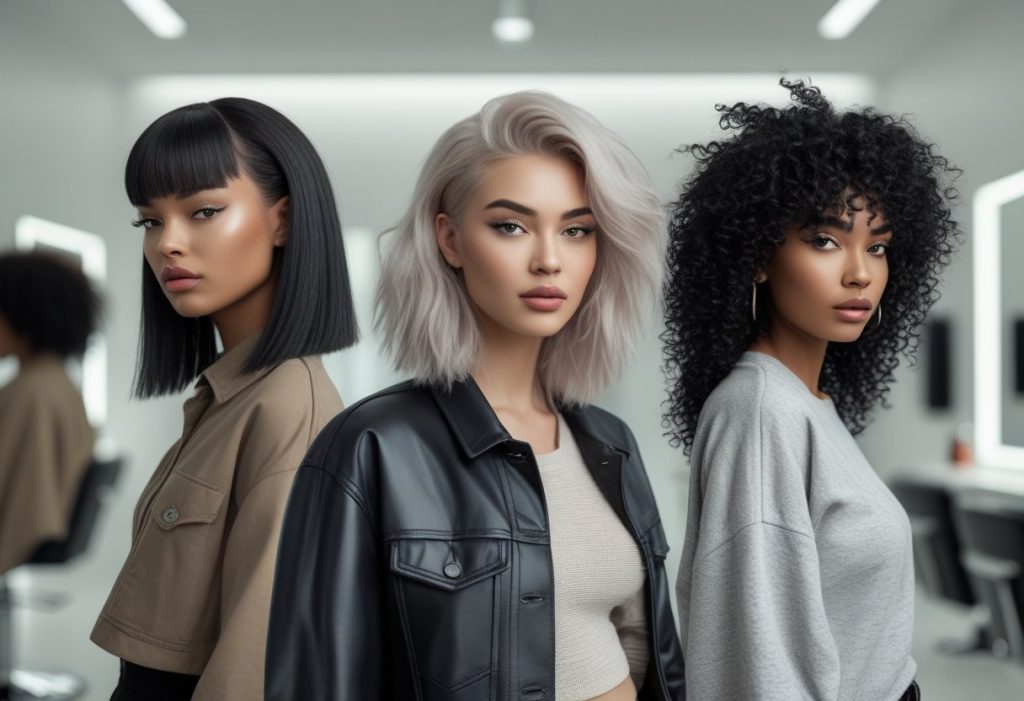
Selecting the right modern mullet depends on the natural hair texture and face shape. The hairstyle should enhance personal style while complementing facial structure. Different mullet cuts suit straight, textured, and curly hair in distinct ways.
Matching Face Shapes and Personal Style
The modern mullet adapts well to various face shapes but works best when tailored. For oval faces, most mullet styles fit well, as this shape balances length and volume. Square faces benefit from mullets with softer layers to reduce angularity.
Round faces should consider a mullet that adds height on top to elongate the face. Longer mullets with gradual tapers can also help balance proportions. Those with heart-shaped faces should opt for styles that add volume at the back while keeping above the ears tapered.
In terms of personal style, a sleek, faded mullet suits minimalists, while more textured, layered cuts work for those seeking an edgier look. The key is matching cut details like fades, layers, or length with both lifestyle and sartorial preferences.
Best Mullets for Textured, Straight, and Curly Hair
Straight hair allows for cleaner, sharper mullets with distinct layers and fades. The contrast between short sides and longer backs is more pronounced and easier to style. A modern mullet with blended fades enhances the natural sleekness of straight hair.
For textured hair, layering is essential to manage volume without losing shape. A choppy mullet with textured ends prevents bulkiness and adds movement. This style accommodates a natural, tousled aesthetic.
Curly mullets require strategic cutting to control frizz and maintain curl definition. Short sides with a longer, layered back work well, emphasizing curl pattern without overwhelming the shape. Curly mullets often feature graduated lengths to balance volume and create a refined silhouette.