Messy Top Bun with Loose Strands & Natural Texture
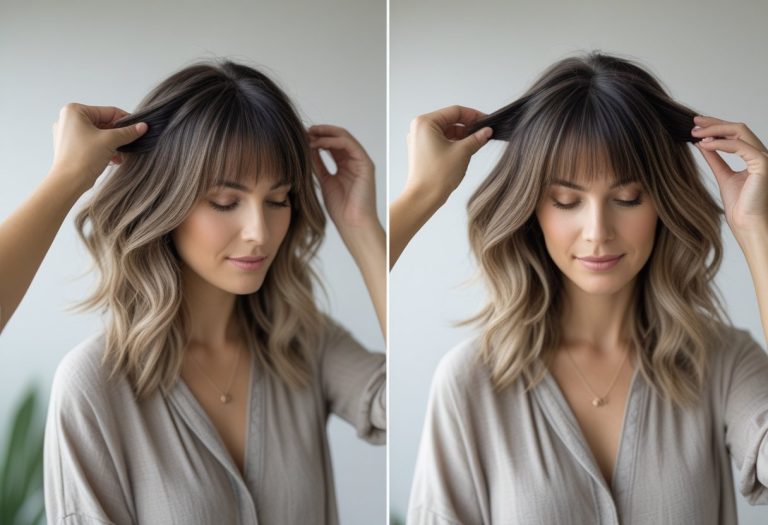
The top bun is a simple yet stylish way to gather the upper portion of the hair into a high, messy knot. It creates a casual, effortless look by not pulling the hair tightly back, allowing loose strands to softly frame the face. This adds a relaxed and approachable vibe to the hairstyle.

Natural texture plays a key role in this style. Slight waves or a tousled finish increase volume and movement, making the bun look fuller and more dynamic without appearing overly styled.
This approach works well for those seeking both comfort and style. It balances ease with an intentional appearance, suitable for various occasions where a polished but informal look is desired.
Core Features of the Top Bun Hairstyle

The top bun hairstyle centralizes on creating a relaxed yet stylish look through a high, slightly undone bun paired with soft, loose strands. The texture and movement of the hair enhance the casual feel, making it adaptable for different hair types and occasions.
Signature High, Messy Bun
The defining element is the high placement of the bun at the crown or top of the head. Unlike a sleek top knot, this bun is intentionally messy, giving it a laid-back but chic appearance. Hair is gathered loosely rather than tightly pulled back, which helps maintain volume and a natural shape.
To create the bun, hair is usually twisted or wrapped loosely, then secured with hair ties and pins without excessive tautness. This results in a voluminous bun that can range from slightly tousled to deliberately undone. The height and fullness give the style a sense of lightness, which contrasts with more polished updos.
Loose Strands and Face-Framing Pieces
A key feature of the top bun is the presence of several loose strands that escape from the bun. These strands often frame the face, softening the overall look and preventing it from appearing too severe or formal. The loose pieces usually fall naturally around the forehead, temples, and nape.
These face-framing strands contribute to the accessibility of the hairstyle, making it suitable for casual settings and relaxed events. The looseness adds an effortless quality, enhancing the carefree vibe of the bun. This feature works well with various face shapes and adds a subtle softness to the hairstyle.
Textured and Tousled Finish
Texture plays a vital role in elevating the top bun beyond a simple updo. The hair often carries a natural wave or slight tousle that adds movement and dimension throughout the style. This textured finish prevents the bun from looking flat or rigid.
Achieving this involves minimal smoothing or brushing before styling, allowing natural volume to shine. Some may add light teasing or use texturizing products to enhance fullness. The result is a messy top knot with a textured, lived-in appearance that balances style with ease. This voluminous bun style supports a modern, effortless aesthetic while being versatile enough for many hair types.
Step-By-Step Guide to Creating a Top Bun

A successful top bun requires specific preparation and careful execution. The process includes preparing the hair properly, forming a high ponytail, adding texture for volume, and securing the bun with the right tools. Each step builds on the last to ensure the style looks effortlessly casual yet stays in place.
Preparing the Hair for Styling
Start with clean, dry hair to maximize hold and texture. If the hair is too smooth or freshly washed, applying a texturizing spray or dry shampoo provides grip. This helps the bun maintain volume and prevents slipping.
Brush through hair gently to remove tangles but keep some natural waves intact. Avoid making the hair too slick or tight. Lightly mist hairspray can be used sparingly if extra hold is needed without weighing the hair down.
Gather necessary tools: a hair tie, several bobby pins, and optionally a hair donut for added fullness.
Forming the High Ponytail
Gather the hair at the crown of the head. The height should be high enough to create a visible top bun but comfortable to wear.
Use a hair tie to secure the ponytail firmly but not too tight. Leaving some looseness in the tie helps achieve the relaxed, messy look. A too-tight ponytail will create tension and reduce volume.
Avoid pulling every strand into the tie; allow some strands to fall loose naturally around the hairline to soften the style.
Creating Texture and Volume
For natural-looking volume, gently tease or backcomb the ponytail if the hair feels flat. Alternatively, lightly tug at the roots of the ponytail to loosen it and create fullness.
If more volume is desired, a hair donut can be placed under the ponytail and the hair wrapped around it. This adds shape and creates a larger bun without extra effort.
Allow some strands to remain slightly loose from the twisted ponytail. This enhances the tousled, carefree effect.
Securing the Bun in Place
Twist or loosely wrap the ponytail around its base, forming the bun shape. Avoid making it overly tight to keep the casual vibe intact.
Use bobby pins to secure the bun, placing them discreetly to hold the shape firmly. The pins should be anchored both in the hair and close to the scalp for stability.
Finish with a light mist of hairspray to calm flyaways and help the bun last throughout the day. Avoid heavy sprays that may make the hair look stiff.
Customizing the Top Bun: Variations and Modifications

The top bun can be tailored to suit different styles, hair lengths, and personal preferences. Adjustments like braiding, layering, and adding bangs can change the look from polished to relaxed or from simple to intricate. Each modification highlights unique features and adapts the basic top bun to diverse hair textures and occasions.
Braided Top Knot and Braided Bun
Incorporating braids into a top bun adds texture and complexity. A braided top knot involves creating a braid—commonly a simple three-strand or fishtail—before wrapping it into a bun on the crown. This technique adds visual interest and can make the bun appear fuller.
An upside-down braid bun starts with braiding from the nape upward before wrapping hair into the bun, offering an elegant twist on the classic style. The sleek braided bun variation emphasizes smoothness and tight braiding, ideal for formal looks. Braids secure hair more tightly but can still maintain a relaxed feel if loosened slightly.
Top Bun for Different Hair Lengths
Hair length directly influences how the top bun is formed. For short to medium hair, small sections can be twisted or braided to build volume, while loose strands help soften the silhouette. These lengths often require hairpins or extra elastics to keep the style intact.
Long hair allows for larger, fuller buns. It can be divided into multiple sections for braiding before wrapping, or gathered into a single high bun for a classic look. Volume and movement come naturally with longer hair, especially when slight waves or natural texture are present.
Incorporating Bangs and Face-Framing Layers
Adding bangs or face-framing layers changes the overall balance of the top bun. Side-swept bangs draw attention to the eyes and soften the forehead area. Wispy, layered strands around the face break up the high bun’s shape, making the style less severe.
A bun with bangs works well when the bangs are kept natural and slightly tousled. Face-framing layers should be trimmed to blend smoothly with the bun’s loose strands, creating an effortless flow around the face. This combination enhances the casual aesthetic while maintaining sophistication.
Essential Tools and Products for the Perfect Top Bun

Creating a high, messy top bun requires specific tools and products to ensure it holds its shape while maintaining a casual look. The right items help secure hair without pulling it too tight and add texture for volume and movement.
Must-Have Styling Tools
A hair tie is essential for gathering the top section of hair loosely before shaping the bun. It should be gentle to avoid creasing or damaging hair.
Bobby pins are key for securing loose strands and keeping the bun in place. Choosing pins that match the hair color helps maintain a natural look.
A hair donut can be used to add volume and structure, especially for finer hair. It helps create the classic rounded shape without excessive pulling.
Using multiple pins and a soft hair tie allows for flexibility to adjust the bun’s looseness. These tools make it easier to achieve the perfect balance between secure and relaxed.
Texturizing Products and Finishing Sprays
A texturizing spray or dry shampoo adds grip and volume, helping hair hold the messy bun shape without slipping. It also enhances natural waves and adds subtle body to the hair.
A light-hold hairspray locks the style in place without stiffness. It allows the bun to maintain its loose, tousled appearance throughout the day and enables gentle reshaping if needed.
Using these products prevents the bun from falling flat and keeps loose strands soft and natural. Choosing sprays that avoid sticky or crunchy residue is important for a clean, effortless finish.
Styling the Top Bun for Different Occasions

The top bun can be adapted to fit various settings by adjusting its neatness, height, and accessories. From relaxed daily styles to formal appearances, specific techniques and finishing touches define the look and appropriateness for the occasion.
Casual High Knot for Everyday Wear
For everyday wear, the casual high knot emphasizes a relaxed, effortless vibe. The hair is loosely gathered at the crown, allowing some volume and natural movement. Loose strands frame the face to soften the look, avoiding a tight, severe appearance.
This style suits all hair types and works well with a slightly tousled texture. It requires minimal effort—simply gather the top portion into a messy bun without pulling it too tightly. A few bobby pins can secure flyaways while maintaining casualness.
Because of its simplicity, this bun pairs well with casual outfits and busy days. It keeps hair out of the face but still looks stylish without appearing overly done.
Elegant Swept-Up and Chignon Buns
More formal occasions call for refined bun styles like the elegant swept-up or classical chignon bun. These styles feature a tighter, smoother finish with hair neatly pulled back from the face.
The chignon bun is typically placed lower at the nape but can be adapted higher for sophistication. Hair is often smoothed down, creating a polished silhouette with minimal loose strands.
This style suits events like weddings, business meetings, or black-tie functions. Using hair products such as mousse or serum can enhance shine and control frizz. Pins and decorative accessories, like jeweled clips, further elevate the look.
Space Buns and Festival Looks
Space buns transform the traditional top bun into a playful, youthful style by dividing the hair into two equal sections, each twisted into a small bun on either side of the head. This adds symmetry and a quirky edge to the hairstyle.
Ideal for festivals, casual parties, or artistic events, space buns embrace texture and volume. Hair can be kept slightly messy or critically styled with sprays and glitter for an eye-catching effect.
This style works well with medium to long hair and allows room for creative embellishments, such as ribbons or colored hair extensions. It blends the practicality of updos with a fun, bold statement.
Accessorizing and Enhancing the Top Bun

Enhancing a top bun involves thoughtful use of hair accessories and techniques to add volume. Both methods focus on maintaining the bun’s casual look while elevating its visual interest and structure.
Decorative Hair Accessories
Incorporating decorative hair accessories can transform a simple messy bun into a statement style. Items such as embellished hairpins, pearl clips, or minimalist metal cuffs fit well with the carefree vibe of the bun. These accessories should be strategically placed along the bun’s perimeter or within its twists to add subtle sparkle or texture.
Using bobby pins in an X-shape not only secures the bun firmly but can also support small decorative elements without compromising the messy effect. For a more playful look, thin scarves or delicate headbands can be wrapped around the base, blending ease with style.
Care should be taken not to overcrowd the bun with accessories, as this detracts from its natural, effortless charm. Opt for one or two carefully chosen pieces for the best balance.
Adding Volume and Drama
Creating a voluminous bun begins with backcombing or teasing the hair at the ponytail base before twisting it into a bun. This technique adds lift and dimension, making the style appear fuller without weighing the hair down.
Lightly pulling the twisted hair outward after securing it with an elastic increases the bun’s size and creates a soft, textured effect. Using a volumizing spray or dry shampoo at the roots before styling can boost grip and height, especially for fine or silky hair.
Spritzing hairspray evenly helps hold the volume longer while keeping the loose strands intact. Maintaining a balance between volume and the bun’s relaxed look is key to preserving its messy and natural appeal.