Top 4 Men’s Fade Haircuts: Burst, High, Mid & Low Styles
The world of men’s grooming is defined by sharp, clean fades that combine style with practicality. The four most popular fade haircuts—Burst Fade, High Fade, Mid Fade, and Low Fade—each provide a distinct look suited to different personality types and face shapes. These variations offer men a way to express individuality while maintaining a polished appearance.

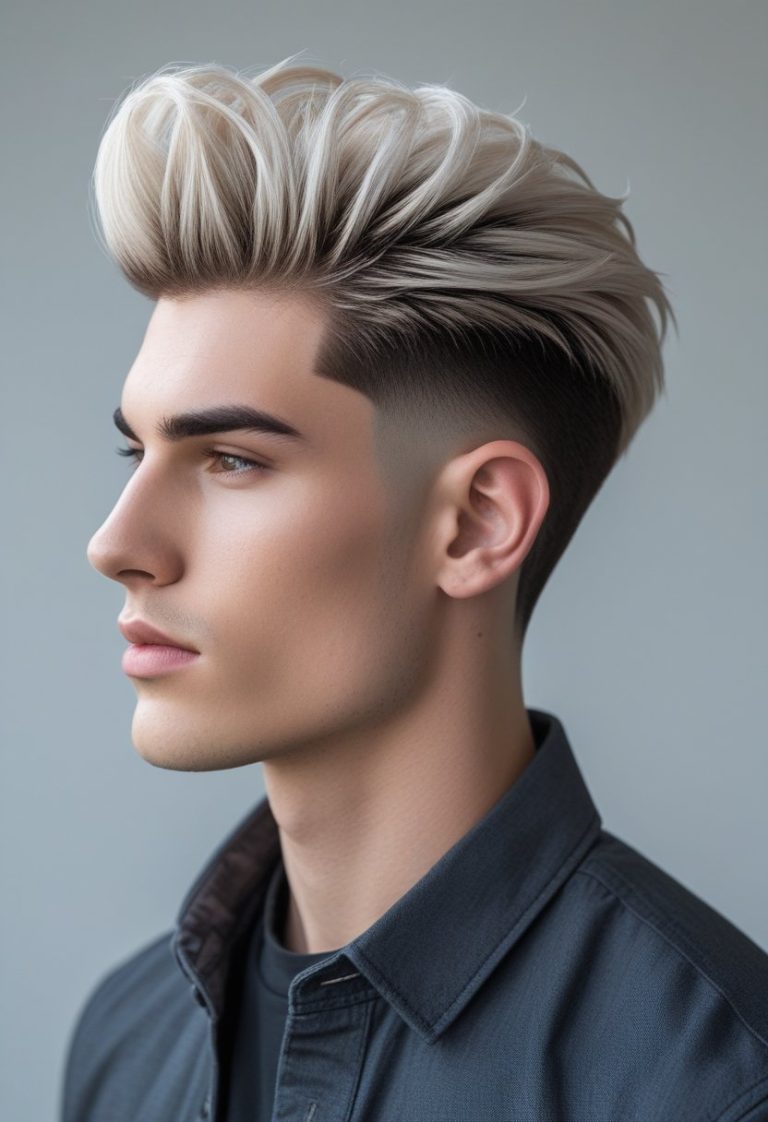
The Burst Fade is recognizable by its curved taper around the ear, often paired with bold, mohawk-inspired styles. The High Fade creates strong contrast by starting near the crown, ideal for emphasizing textured hair or sharp outlines. The Mid Fade offers a moderate transition between longer and shorter sections, making it versatile for daily wear. The Low Fade stays close to the neckline and ears, delivering a subtle, clean look fit for both casual and professional environments.
Understanding Fade Haircuts

Fade haircuts are defined by their gradual transition from longer hair on top to shorter hair along the sides and back. This controlled tapering creates distinct layering and contrast that can be styled to suit various preferences and face shapes. Key factors include blending techniques, fade placement, and the different styles that impact the overall look.
What Is a Fade Haircut
A fade haircut involves tapering the hair so it transitions smoothly from longer lengths at the crown to very short or almost shaved hair near the neckline and ears. The main goal is to blend hair lengths seamlessly, eliminating harsh lines and creating a clean, polished appearance.
Fades often vary by where the taper begins—high, mid, or low on the head—and how short the hair gets at the edges. This versatility allows fade haircuts to complement a wide range of hairstyles, from textured crops to classic pompadours.
Key Elements of a Fade
The most important aspect of a fade haircut is the gradation—how hair shortens gradually in length. Barbers use clipper guards and blending shears to create this effect. Precision is needed to maintain consistent tapering.
Another critical element is the fade line, which determines where the shortest hair begins. This placement affects the haircut’s sharpness and mood. For example, a skin fade goes down to bare skin at the lowest points, creating a more dramatic contrast than a taper fade, which maintains some hair length near the edges.
Popular Types of Fade Haircuts
Several variations exist, each suited to different styles and preferences:
- Skin Fade (Bald Fade): Hair tapers down to the skin, offering the sharpest contrast.
- Taper Fade: A more conservative fade with hair gradually shortened without reaching the skin.
- Low Fade: Starts near the ears and neckline, providing a subtle, polished look.
- Mid Fade: Begins around the temples, offering balanced contrast.
- High Fade: Starts near the crown, emphasizing sharp edges and modern styles.
- Burst Fade: Focuses on a rounded fade around the ear, often paired with bold cuts like mohawks.
These types allow men to customize their look, balancing modern trends with classic grooming.
The Burst Fade: Curve and Creativity

The Burst Fade stands out because of its unique curved taper that wraps around the ear and tapers down the neck. It offers a bold and dynamic shape that complements edgy looks, especially when paired with styles like the mohawk. The haircut blends sharp lines with smooth transitions, allowing versatile styling for various hair types and face shapes.
Defining the Burst Fade
The Burst Fade is characterized by a semicircular fade that follows the natural curve around the ear and extends down the back of the head. Unlike traditional fades that have straighter, angular edges, this fade creates a rounded outline that emphasizes the taper’s flow.
The taper usually starts around the temples and drops toward the neckline, leaving longer hair in the center back to contrast with the skin on the sides. This distinctive shape makes it popular for those seeking an alternative to the typical fade styles.
Barbers highlight the burst fade’s versatility by integrating it with different haircuts, such as mohawks, faux hawks, and curly tops. This flexibility makes the burst fade a practical yet creative choice.
Styling the Burst Fade
Styling a burst fade focuses on balancing the sharp taper around the ears with the longer hair on top or back. It works especially well when paired with mohawk or faux hawk styles, where the contrast between shaved sides and fuller top hair adds visual interest.
Men can style the longer hair with pomades or light waxes to enhance texture and maintain shape throughout the day. For those seeking a sleek look, comb-overs and flat tops also pair nicely with the burst fade shape.
Maintenance involves regular visits to the barber every 2-4 weeks to keep the fade tidy and prevent the outline from losing its crisp curve. This ensures the haircut maintains its defined shape and overall aesthetic.
Best Hair Types for Burst Fades
The burst fade suits many hair types but is especially effective with straight, wavy, or curly hair. Curly hair adds natural volume to the top, creating a textured contrast against the closely tapered sides.
Thicker hair types benefit from the burst fade because the longer top hair can be shaped into height or styled back, emphasizing the fade’s rounded pattern. Fine hair can still work but may require styling products for added texture.
Face shapes that complement the burst fade include oval, square, and heart-shaped faces. The fade’s curve softens angular features and highlights cheekbones without overwhelming the overall look. This versatility allows the cut to suit a range of facial structures and personal styles.
High Fade: Striking Contrast and Sharpness

The high fade is defined by its bold transition from very short sides to longer hair on top, creating sharp visual contrast. It is a versatile style that emphasizes hair texture and facial features, especially when paired with structured or textured top hairstyles.
Features of the High Fade
The high fade begins near or above the temples, blending the sides and back down to the skin in many cases. This fade is often executed as a high skin fade, where the hair is shaved close to the scalp for maximum contrast. The sharpness of the fade draws attention to the top, enhancing styles like the pompadour or spiked hair.
Because of its clean lines and aggressive taper, the high fade requires regular maintenance to keep the contrast sharp. It lends a modern, edgy appearance while staying low-maintenance on the sides compared to longer hairstyles.
Ideal Face Shapes and Hair Textures
The high fade suits men with oval, square, and heart-shaped faces best, as it emphasizes strong jawlines and cheekbones. It can widen narrow faces by adding height on top and slimming the sides.
Hair texture plays a key role: straight and wavy hair styles benefit since the fade highlights texture well. Thick hair can be styled into spiked looks or pompadours that complement the fade’s sharpness. However, very curly or coarse hair may need careful grooming to achieve a smooth transition.
Popular High Fade Variations
Several variations of the high fade exist, tailored to different styles and preferences:
- High Skin Fade: Hair fades completely to the skin at the sides and back, creating the highest contrast.
- Burst Fade: Curves around the ear with a high starting point, often paired with bold mohawk or fauxhawk styles.
- High Taper Fade: A softer fade with more gradual blending, less extreme than a skin fade.
Each variation emphasizes contrast while accommodating different hair lengths and styling goals. The chosen style often depends on whether the wearer prefers bold edges or a more subtle, polished look.
Mid Fade: Versatility for Modern Men

The mid fade bridges the gap between high and low fades, offering a clean and balanced look. It suits a variety of hairstyles and adapts well to different face shapes, making it a practical choice for men seeking both style and ease of maintenance.
What Sets the Mid Fade Apart
The defining feature of the mid fade is its starting point, positioned halfway between the temple and ears. This location creates a smooth, tapered transition that maintains more hair on the sides than a high fade but less than a low fade.
It blends classic elegance with modern edge, making it suitable for professional settings and casual occasions. The mid fade can also be combined with styles like the drop fade or temple fade for added dimension. This fade allows for distinct styling on top without overwhelming sharp contrasts.
Best Hairstyles for Mid Fades
Mid fades work best with a variety of tops, especially textured crops, comb-overs, or classic side parts. Thick and straight hair styles benefit from the gradual fade, which enhances the texture and shape.
The fade pairs effectively with medium to short hair lengths on top, allowing men to experiment with volume or sleek finishes. For those wanting a statement, a structured style like a pompadour contrasts well with the subtle taper of the mid fade.
Suitability for Different Face Shapes
The mid fade is highly adaptable and flatters multiple face shapes. For round faces, it adds height and reduces roundness by creating sharper angles. Men with square or oval faces benefit from the fade’s balanced proportions that emphasize facial structure without harsh edges.
Because it can be adjusted in length and blending, the mid fade can subtly enhance features or provide a clean, minimalist look. It also works well for those preferring a natural transition rather than dramatic contrasts seen in high fades.
Low Fade: Clean Lines and Subtle Style

The low fade haircut creates a refined transition from longer hair on top to shorter sides, focusing on subtlety and precision. It suits a wide range of hair types and offers adaptable styling that fits both casual and professional environments.
Defining the Low Fade
The low fade starts tapering just above the ears and closely follows the natural hairline near the neckline. This haircut emphasizes a gradual, smooth blend from skin or very short hair at the bottom to longer lengths on top.
It can appear as a taper fade or a skin fade, depending on how closely the sides are shaved. The defining feature is the fade’s lower starting point, which keeps the hairline clean without extreme contrast.
This style highlights natural textures while maintaining a polished look, making it ideal for those who want a haircut that is subtle but well-structured.
Low Fade Styling Options
The low fade adapts well to various styles. It pairs smoothly with textured crops, wavy hair, and curls, enhancing their shape without overwhelming the overall look.
Men can opt for a spiky top, messy waves, or neatly combed hair, as the fade provides a clean slate that frames these styles effectively.
Maintenance is moderate; regular trims every 2 to 4 weeks keep the fade sharp. Using light styling products like pomades or creams enhances natural hair movement without adding weight.
Low Fade for Professional and Casual Looks
The low fade’s understated taper makes it suitable for professional settings where a neat appearance is necessary. It offers a sharp finish without drawing excessive attention, creating a balanced, sophisticated style.
In casual environments, the fade complements relaxed or trendy hairstyles, making transitions between different looks seamless. It’s commonly paired with facial hair, like beards, to maintain a cohesive and polished overall appearance.
Its versatility ensures it fits a variety of face shapes and hair types, reinforcing its status as a reliable choice for modern grooming.
Choosing the Right Fade for Your Face Shape and Hair Type

Selecting the right fade involves understanding how different styles highlight facial features and accommodate hair texture. The success of a fade often depends on tailoring the cut to enhance natural shapes and hair characteristics. Proper guidance ensures the fade complements both appearance and lifestyle.
Matching Fades to Face Shapes
Different face shapes benefit from specific fade styles that balance proportions and emphasize best features. For example, a high fade suits those with round faces by elongating the appearance and adding definition. Square faces work well with mid fades, which soften strong jawlines while maintaining structure.
Oval faces are versatile and can carry any fade style, but low fades offer a subtle enhancement without overwhelming the balanced features. Heart-shaped faces benefit from fades that add volume at the temples, such as burst fades, which divert attention from wider foreheads and narrow chins.
Understanding these relationships helps to achieve a fade that complements rather than competes with natural contours.
Adapting Fade Styles for Different Hair Types
Hair texture directly influences how fade styles appear and maintain their shape. Coarser hair holds fade definitions well, making mid and high fades ideal to showcase contrast between lengths. Straight hair can benefit from low fades that smoothly transition and avoid sharp edges.
Curly or wavy hair pairs best with fades that account for volume, like burst or high fades. These allow the curls on top to stand out while keeping the sides neat. Thinner hair may require longer fades or a mid fade to maintain fullness and avoid an overly stark contrast.
Adapting fade styles to hair texture ensures a polished look with manageable upkeep.
Consulting with Professional Barbers
Barbers possess expertise in evaluating face shape, hair type, and lifestyle needs to recommend the most suitable fade. Their trained eye identifies subtle aspects, such as head shape and hair growth patterns, that influence fade choice. Open communication with a barber allows customization to personal preferences and maintenance expectations.
Professionals also provide advice on styling products and techniques to keep fades sharp between visits. Seeking barber input is key to achieving a fade that not only fits physical traits but also aligns with daily routines and styling goals.
Maintenance and Upkeep of Fade Haircuts

Maintaining a fade haircut requires attention to detail and regular care to keep the clean lines and smooth transitions sharp. Proper upkeep involves setting a consistent trimming schedule, choosing appropriate styling products, and knowing when to return to the barber for touch-ups.
Recommended Upkeep Schedule
Fade haircuts need routine maintenance to preserve their precise look. Typically, a trim every 2 to 3 weeks works well for most men. This helps maintain the fade’s sharp gradient, especially for high and burst fades where contrast is most noticeable.
Men with thicker or curlier hair types might require slightly more frequent visits to keep the fade’s shape consistent. In contrast, low fades can often stretch longer between appointments because their taper is subtler near the neckline.
Daily washing and gentle scalp care also extend the freshness of a fade. Using a mild shampoo 2–3 times a week prevents dryness without stripping essential oils.
Styling Products for Fades
Choosing the right styling products enhances the fade’s appearance and helps maintain the haircut throughout the day. Light hold pomades, creams, or styling lotions work well for controlling texture without weighing down the hair.
For fades crowned with longer hair, matte finish clay or paste adds definition and volume without shine. This combination highlights the sharp contrast between faded sides and textured tops.
Avoid heavy oils or greasy products that can blur the crisp boundaries of the fade. Water-based products are preferable as they wash out easily, allowing the haircut to stay fresh between barber visits.
When to Visit Your Barber
Visiting the barber promptly prevents the fade haircut from losing its structured look. Any noticeable unevenness or hair growth along the fade line signals it’s time for a touch-up.
If the fade style includes complex elements (like burst fades with curved tapers), more frequent trips are necessary to maintain the design’s clarity.
Consulting with the barber on how fast an individual’s hair grows and discussing lifestyle factors (work environment, daily styling habits) helps tailor visit frequency. Typically, every 2 to 4 weeks suits most fade styles depending on personal preference and hair type.